Most gluten free pasta salad recipes play it safe. They stick to simple oil and vinegar, avoid anything too bold, and end up tasting like an afterthought.
This Gluten Free Pesto Pasta Salad refuses to do any of that. It is loud with flavor, beautiful on the plate, and confident in every single bite.
If you have been searching for pasta salad ideas that happen to be gluten free without tasting like a compromise, this is the recipe you have been waiting for. It is fresh, satisfying, and built to impress whether you are feeding a crowd or just yourself on a quiet Tuesday afternoon.
Why You’ll Love This Gluten Free Pesto Pasta Salad
This earns its spot among the best pasta salad recipes because it delivers restaurant-quality flavor with straightforward home kitchen effort.
The pesto does all the heavy lifting here. It is herbaceous, garlicky, rich with good olive oil, and bright with lemon — a pasta salad dressing that is genuinely exciting rather than merely functional. Every forkful is coated in it, making this one of those pasta salad recipes easy to love from the very first bite.
It is also one of the most naturally inclusive pasta salad ideas you can serve at a gathering. It is gluten free, easily made vegan, and packed with wholesome ingredients that qualify this as a pasta salad healthy enough for everyday eating. Nobody at the table will feel like they are missing out on anything.
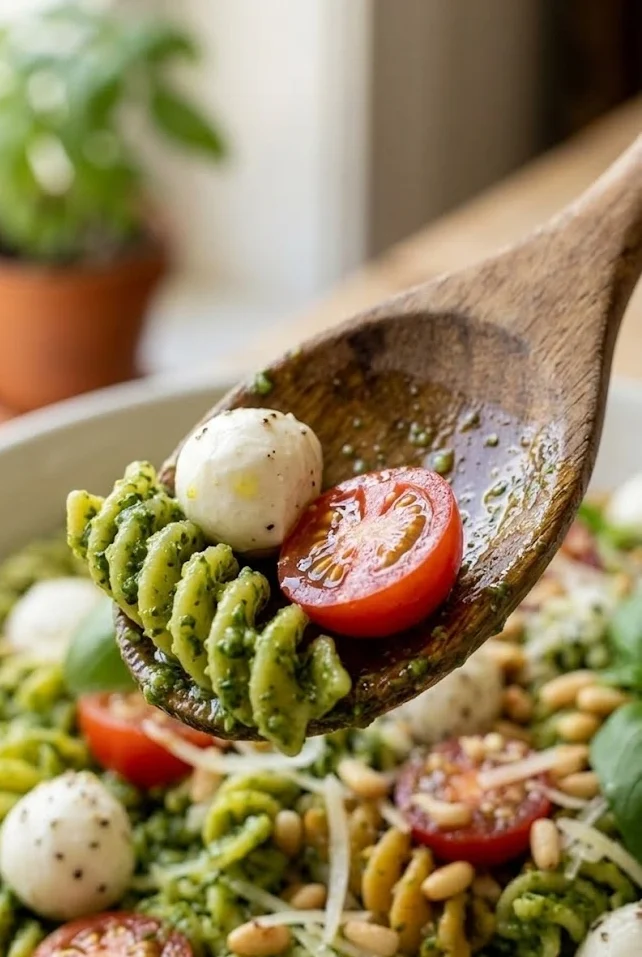
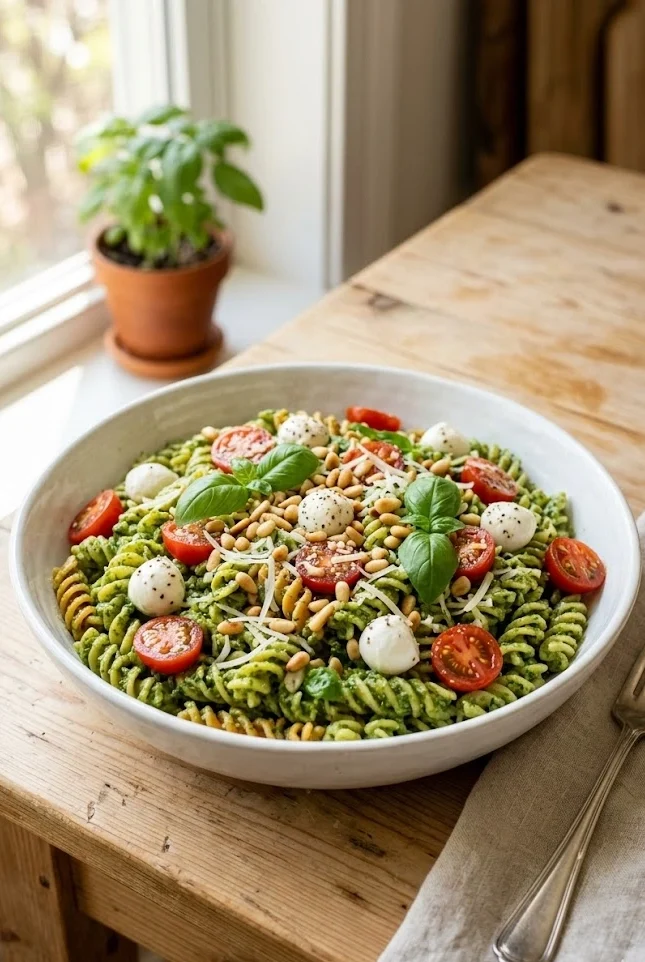
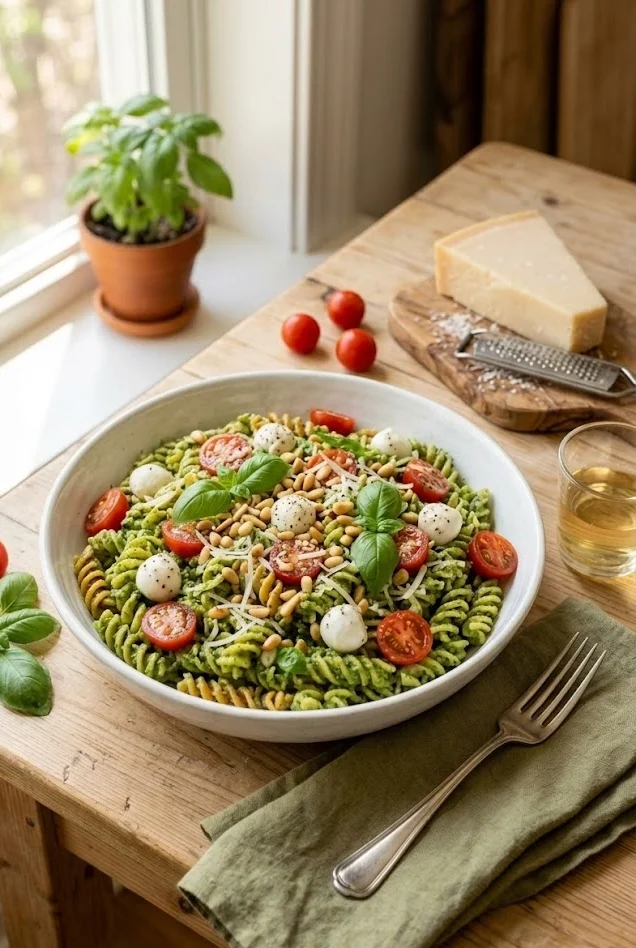
The pasta salad aesthetic here is also genuinely stunning. Deep emerald green pesto clinging to pale pasta, dotted with bright cherry tomatoes, pine nuts, and fresh basil makes this one of the most visually striking pasta salads you can put on a table.
Common Mistakes and How to Avoid Them
Gluten free pasta salad comes with a few specific challenges that regular pasta salad recipes do not always face. Here is what to watch for.
Overcooking the gluten free pasta. This is the most critical mistake you can make with this dish. Gluten free pasta has a much narrower window between perfectly al dente and completely falling apart. Check it two minutes before the package suggests and pull it immediately when it still has a slight bite. Rinse under cold water right away and toss with a small drizzle of olive oil to prevent clumping.
Using store-bought pesto without adjusting it. Jarred pesto is often saltier, oilier, and less vibrant than fresh. If you use it, taste it first and brighten it with fresh lemon juice, extra fresh basil, and a little black pepper before tossing it with the pasta. It makes a meaningful difference.
Dressing the pasta while it is still warm. Warm gluten free pasta absorbs dressing aggressively and can turn the pesto gummy and heavy. Always cool the pasta completely before adding any sauce or dressing.
Not reserving pasta water. A few tablespoons of starchy pasta cooking water stirred into the pesto helps it emulsify beautifully and cling to every piece of pasta evenly. Do not forget to set some aside before you drain.
Key Ingredients for the Best Gluten Free Pesto Pasta Salad
Each element of this dish is chosen with intention. Here is a closer look at what makes this pasta salad with Italian dressing-inspired pesto so exceptional.
Gluten Free Short Pasta — Fusilli, penne, or rotini in gluten free form are the best choices here. Their ridged surfaces and spiral shapes grip the pesto and hold the other ingredients close. Rice-based or chickpea-based pasta both perform well in cold pasta salad applications and hold their texture better than corn-based varieties.
Fresh Basil Pesto — The soul of this entire recipe. A good pesto is made from fresh basil, toasted pine nuts, good Parmesan, garlic, lemon juice, and high-quality extra virgin olive oil. Making it fresh takes only five minutes in a food processor and the difference in flavor compared to jarred is extraordinary.
Cherry Tomatoes — Halved and sweet, they bring juicy acidity that cuts through the richness of the pesto and adds a bright pop of red color that makes the pasta salad aesthetic sing.
Fresh Mozzarella — Small mozzarella pearls or torn fresh mozzarella add creamy, milky pockets throughout the salad that balance the bold, garlicky pesto perfectly. This combination is deeply rooted in pasta salad Italian tradition.
Arugula or Baby Spinach — A handful of peppery arugula or mild baby spinach stirred through just before serving adds freshness, color, and a nutritional boost that keeps this firmly in pasta salad healthy territory.
Pine Nuts — Toasted lightly in a dry pan, they add a buttery, golden crunch that contrasts beautifully with the creamy mozzarella and tender pasta. Walnuts or toasted slivered almonds are excellent substitutes.
Lemon — Zest and juice added both to the pesto and as a finishing touch over the assembled salad. Lemon keeps everything tasting bright and prevents the basil from oxidizing and turning dull.
Extra Virgin Olive Oil — A drizzle over the finished salad right before serving adds gloss, richness, and a final layer of flavor that ties everything together.
How to Make Gluten Free Pesto Pasta Salad
Follow these steps carefully and you will have a flawless cold pasta salad that holds up beautifully for days.
- Cook the pasta. Bring a large pot of generously salted water to a boil. Add 12 ounces of gluten free short pasta and cook until just al dente, checking two minutes before the package time suggests. Before draining, scoop out a quarter cup of pasta cooking water and set it aside. Drain and rinse immediately under cold running water until completely cooled. Toss with a small drizzle of olive oil to prevent sticking and spread onto a baking sheet or large plate to cool fully.
- Make the fresh pesto. In a food processor, combine two large packed cups of fresh basil leaves, a third of a cup of toasted pine nuts, one clove of garlic, the zest and juice of one lemon, half a teaspoon of salt, and a generous pinch of black pepper. Pulse several times until roughly chopped. With the machine running, slowly drizzle in half a cup of extra virgin olive oil until you reach a slightly textured, vibrant green sauce. Add a quarter cup of freshly grated Parmesan and pulse twice more to combine. Taste and adjust salt and lemon.
- Loosen the pesto. Stir one to two tablespoons of the reserved pasta cooking water into the pesto until it is smooth, glossy, and pourable. This step is essential for even coating.
- Prepare the add-ins. Halve one cup of cherry tomatoes. Drain and pat dry eight ounces of fresh mozzarella pearls. Toast three tablespoons of pine nuts in a dry skillet over medium heat for two to three minutes until golden, then set aside.
- Assemble the salad. Transfer the fully cooled pasta to a large mixing bowl. Add about two thirds of the pesto and toss thoroughly until every piece of pasta is well coated. Add the cherry tomatoes and mozzarella pearls and toss gently to combine.
- Chill. Cover and refrigerate for at least one hour. This rest time allows the pesto to soak into the pasta and the flavors to develop fully.
- Finish and serve. Just before serving, add a large handful of arugula or baby spinach and toss lightly. Add the remaining pesto and a squeeze of fresh lemon juice to refresh the salad. Taste and adjust seasoning. Transfer to a serving bowl or platter, scatter the toasted pine nuts over the top, add a few fresh basil leaves, and finish with a drizzle of extra virgin olive oil and an extra grating of Parmesan. Serve cold.
Variations and Tips for Your Pasta Salad
This recipe is endlessly adaptable. Here are the best ways to make it your own.
Add chicken for a complete meal. Sliced grilled chicken seasoned with garlic, lemon, and herbs turns this into a hearty pasta salad with chicken that works as a full dinner. The pesto and chicken combination is one of the most satisfying pasta salad ideas in this category.
Make it vegan. Replace the Parmesan in the pesto with three tablespoons of nutritional yeast and a small handful of toasted walnuts for extra depth. Swap the fresh mozzarella for vegan mozzarella or simply leave it out. The pesto will still be rich, flavorful, and completely plant-based.
Sun-dried tomato variation. Replace the cherry tomatoes with chopped oil-packed sun-dried tomatoes for a deeper, more intense flavor that pushes this further into pasta salad Italian territory.
Add roasted vegetables. Roasted zucchini, roasted red peppers, or roasted asparagus stirred through the finished salad add smoky sweetness and extra substance, making this one of the most satisfying pasta salad recipes healthy enough to serve as a standalone meal.
Pro tip: Blanch the basil leaves in boiling water for five seconds, then transfer immediately to an ice bath before making the pesto. This simple step locks in the bright green color and prevents the pesto from turning dark as the salad sits in the refrigerator.
Looking for more pasta salad inspiration? Our ultimate pasta salad recipe guide brings together 20 of the best cold pasta salad recipes in one place — including easy Italian pasta salads, healthy pasta salads with chicken, creamy pasta salads, Mediterranean bowls, high-protein options, and creative pasta salad ideas for every occasion. Whether you need a 20-minute weeknight side or a stunning potluck showstopper, this is the only pasta salad resource you need.
How to Meal Prep This Pasta Salad
This is one of the most meal-prep-reliable pasta salad recipes cold and make-ahead friendly that you can add to your weekly rotation.
Prepare the full recipe but hold back the arugula, the toasted pine nuts, and two to three tablespoons of the pesto. Store the dressed pasta salad in an airtight container in the refrigerator for up to three days. Keep the pine nuts in a separate small container to preserve their crunch.
When ready to eat, stir the reserved pesto through the salad to freshen it, add a squeeze of fresh lemon juice, toss in the arugula, and top with the pine nuts. This two-minute refresh completely revives the salad and makes it taste as good as the day it was made.
For individual meal prep portions, divide into separate containers right after the initial assembly. This is one of the most practical pasta salad ideas for busy weekday lunches that genuinely hold up in flavor and texture through the week.
FAQs
Does gluten free pasta hold up well in cold pasta salad? Yes, when cooked correctly. The key is pulling it at true al dente, rinsing it thoroughly under cold water, and tossing it immediately with a little olive oil. Rice-based and chickpea-based gluten free pastas hold their shape particularly well in cold pasta salad applications and do not turn mushy the way some corn-based varieties can.
Can I use store-bought pesto for this pasta salad dressing? You can, and it will still be delicious. However, brightening it with fresh lemon juice, a little extra fresh basil, and a drizzle of good olive oil before using it makes a very noticeable improvement. Fresh pesto takes only five minutes and is worth making when you can.
Is this a pasta salad healthy enough for regular meals? Absolutely. This recipe is built on whole, nutrient-dense ingredients. The pesto provides healthy fats from olive oil and nuts, the pasta provides energy, the tomatoes and greens add vitamins and antioxidants, and the mozzarella adds calcium and protein. It is one of the most balanced pasta salad healthy recipes in this category.
Can I make this pasta salad the night before? Yes, and it is genuinely better the next day. The pesto soaks deeper into the pasta overnight and the flavors develop beautifully. Just add the arugula, pine nuts, and a spoonful of fresh pesto right before serving to bring it back to life.
Cultural Context: Pesto, Pasta, and the Ligurian Tradition
Pesto Genovese — the sauce at the heart of this recipe — is one of the most iconic and protected food traditions in all of Italy. It originates from Liguria, the narrow coastal region of northwestern Italy, and specifically from the city of Genova, where it has been made the same way for centuries.
Traditional Ligurian pesto is made with Genovese basil, a specific variety prized for its small leaves and particularly sweet, non-minty flavor, along with Ligurian extra virgin olive oil, toasted pine nuts, Parmigiano-Reggiano, Pecorino Sardo, garlic, and coarse salt. In Liguria, it is traditionally made in a marble mortar with a wooden pestle, a method that gently bruises the basil rather than chopping it, producing a smoother, creamier sauce with a more nuanced flavor.
Pasta dressed with pesto and served at room temperature is a deeply embedded part of everyday Ligurian eating, particularly in warmer months. This Gluten Free Pesto Pasta Salad takes that ancient, sun-warmed tradition and makes it accessible to everyone at the table, regardless of dietary need, without sacrificing a single note of the flavor that has made pesto one of the most beloved pasta salad dressing foundations in the world.
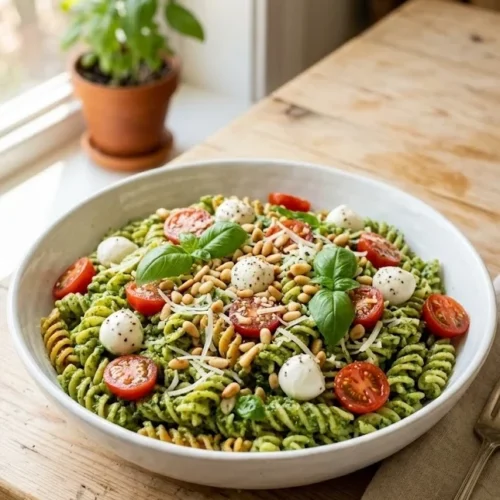
Gluten Free Pesto Pasta Salad
Equipment
- large pot
- colander
- food processor
- Large Mixing Bowl
- skillet for toasting pine nuts
Ingredients
- 12 oz gluten free short pasta (fusilli or penne)
- 2 cups fresh basil leaves
- 1/3 cup toasted pine nuts
- 1 clove garlic
- 1 lemon (zest and juice)
- 1/2 cup extra virgin olive oil
- 1/4 cup grated Parmesan cheese
- 1 cup cherry tomatoes (halved)
- 8 oz fresh mozzarella pearls
- 1 cup arugula or baby spinach
- 3 tbsp toasted pine nuts (for topping)
- 1–2 tbsp reserved pasta water
- 1 tbsp olive oil (for finishing)
- salt and black pepper to taste
Instructions
- Bring a large pot of salted water to a boil and cook the gluten free pasta until al dente. Reserve 1/4 cup pasta water, then drain and rinse under cold water until fully cooled.
- In a food processor, combine basil, pine nuts, garlic, lemon zest and juice, salt, and pepper. Pulse, then slowly drizzle in olive oil until smooth. Add Parmesan and pulse briefly.
- Stir 1–2 tablespoons of reserved pasta water into the pesto to loosen it into a smooth, pourable consistency.
- In a large bowl, combine cooled pasta with two thirds of the pesto and toss until evenly coated.
- Add cherry tomatoes and mozzarella pearls and toss gently to combine.
- Cover and refrigerate for at least 1 hour to allow flavors to develop.
- Before serving, toss with remaining pesto, fresh lemon juice, and arugula. Top with toasted pine nuts, basil, and a drizzle of olive oil. Serve cold.