
This post may contain affiliate links. As an Amazon Associate, we earn from qualifying purchases. We only recommend products we trust.
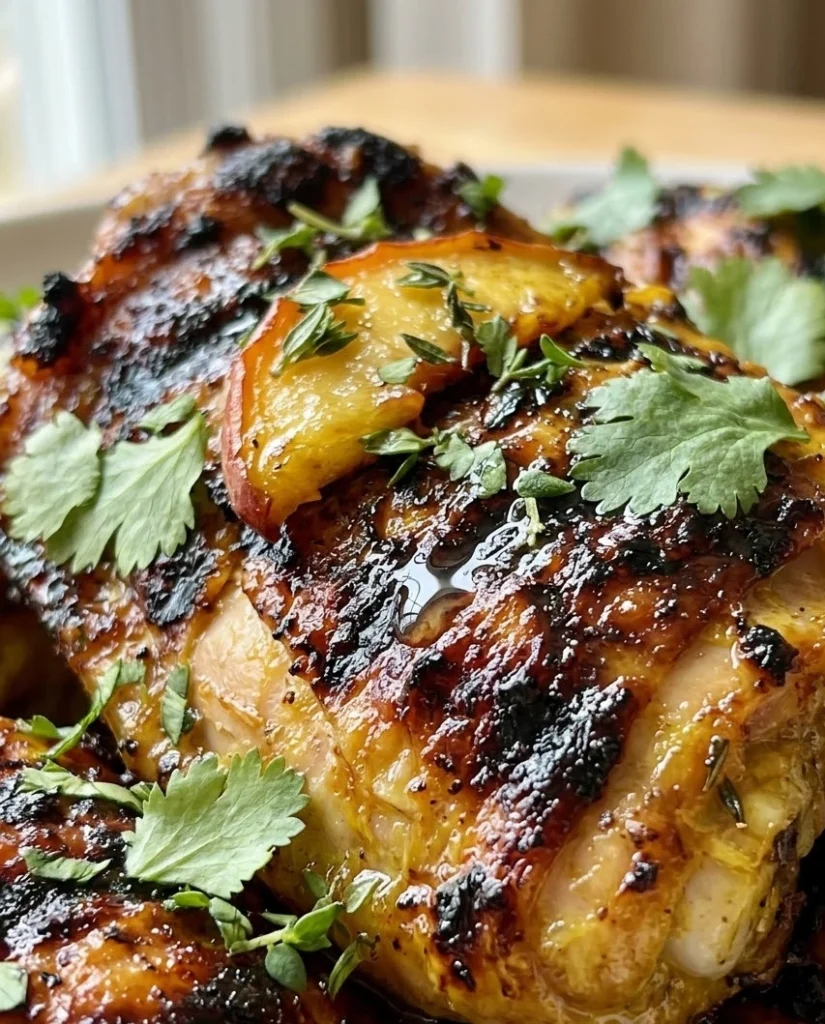
Close your eyes and imagine the smell of a Bangkok street food stall at dusk — charcoal smoke, coconut milk caramelizing on a grill, the sharp brightness of lemongrass, the warmth of galangal. This Thai Coconut Grilled Chicken — a dish inspired by the Thai classic gai yang — is that smell, translated into your backyard.
The coconut milk marinade is the key to everything. Far more than a flavor vehicle, it’s a fat-based liquid that coats every surface of the chicken, protects the meat from direct flame, and caramelizes into one of the most fragrant, complex crusts you’ve ever produced on a grill.
This is a grilling recipe for the days when you want dinner to feel like a journey.
Why You’ll Love This Recipe
Coconut milk is the perfect marinade base. Where water-based marinades evaporate quickly on the grill, coconut milk — high in fat — clings to the surface and caramelizes slowly, creating a golden, slightly chewy crust with extraordinary fragrance. The fat also carries the aromatic compounds from lemongrass, ginger, and garlic directly into the meat.
Lemongrass is irreplaceable. There is no substitute for fresh lemongrass in Thai cooking. Its citrusy, floral, slightly herbal character is completely unique and it defines the flavor profile of this dish in a way that no other ingredient can approximate. Seek it out — it’s increasingly available at most grocery stores.
The flavor profile is genuinely complex. This marinade hits every major taste: savory (fish sauce), sweet (palm sugar), sour (lime), hot (Thai chili), bitter (lemongrass), and rich (coconut). Achieving this kind of balance is what separates great grilling recipes from extraordinary ones.
Our Best Amazon Finds
 Buy Now →
 Buy Now →
Cuisinart Griddler Indoor Grill
Buy Now →
Geesta Grilling Prep and Serve Tays
Buy Now →Common Mistakes — And How to Avoid Them
Using light coconut milk. Full-fat coconut milk is non-negotiable here. The fat content is what creates the caramelized crust. Light coconut milk is mostly water and it will not behave the same way on the grill. Use full-fat, always.
Skipping the fish sauce. Fish sauce is the backbone of Thai flavor. Its fermented, deeply savory character underpins everything else in the marinade. If you’re hesitant about fish sauce, know that it doesn’t taste “fishy” in a finished dish — it tastes deeply savory, salty, and complex. There is no vegan substitute that produces the same depth, though soy sauce and a small amount of seaweed can approximate it.
Not bruising the lemongrass. Lemongrass releases its aromatic oils when physically broken. Smash each stalk with the flat of a knife before slicing — you’ll immediately smell the difference. Unbruised lemongrass contributes a fraction of the flavor that properly bruised lemongrass does.
Grilling over flames that are too aggressive. Coconut milk burns. Not just chars — actually burns bitter and acrid — if the heat is too intense. Medium heat, patience, and turning frequently is the approach. You’re building a golden crust over time, not searing at maximum temperature.
Chef’s Notes
The dipping sauce that I serve with this chicken is as important as the chicken itself. Thai sweet chili sauce is the obvious choice, but my preference is a quick peanut sauce: peanut butter, coconut milk, lime juice, fish sauce, garlic, ginger, and a touch of chili — whisked into a smooth, creamy, tangy sauce that’s extraordinary against the coconut chicken.
I always grill a few lime halves cut-side down for 3 minutes alongside the chicken. Grilled lime loses its sharpness and becomes sweeter, more fragrant, and more complex. Squeezed over the finished chicken, it completes the dish.
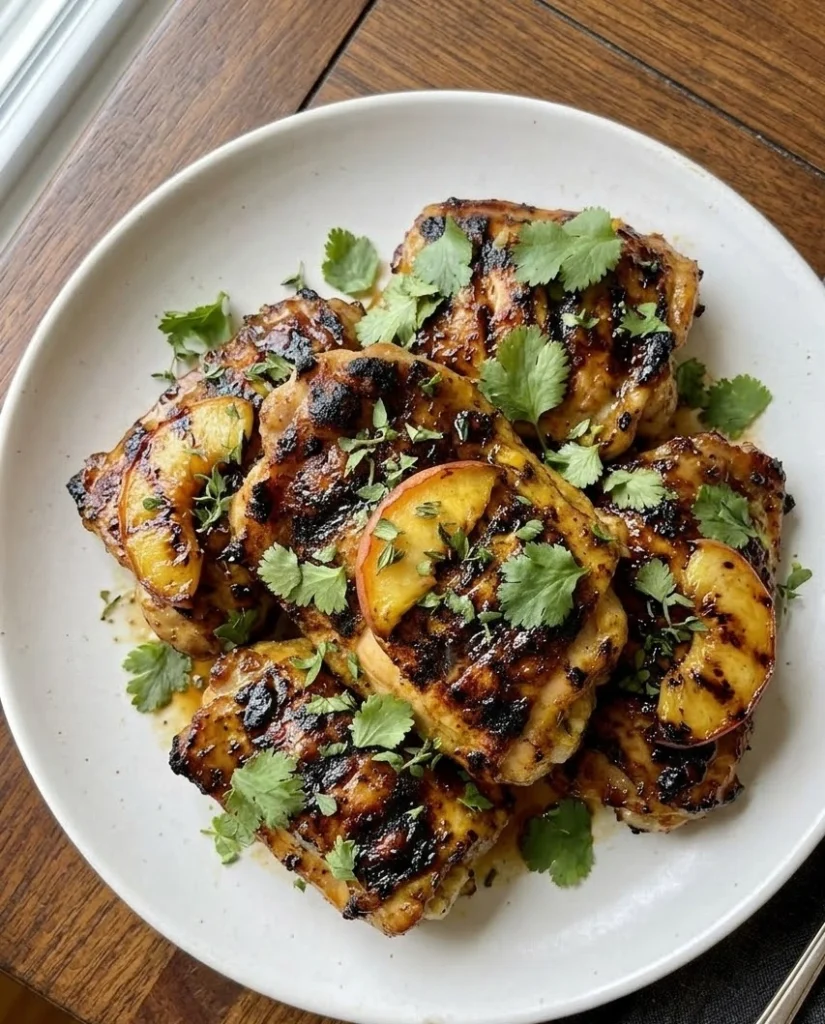
Fresh cilantro and thinly sliced Thai chili scattered over the platter before serving add color, freshness, and heat. Don’t skip this finish — it brings the dish alive visually and aromatically.
Key Ingredients — And Why They Matter
Chicken thighs and drumsticks (1kg): Dark meat handles the coconut milk marinade’s caramelizing sugars without drying out. Bone-in pieces also take on more smoke from the grill during the longer cooking time required.
Full-fat coconut milk (400ml): Fat carrier, tenderizer, and crust-builder. The proteins and sugars in coconut milk caramelize on the grill into a golden, fragrant crust unlike anything else.
Lemongrass (3 stalks, bruised and minced): The signature aromatic of this dish. Citrusy, floral, and uniquely Southeast Asian. Use the pale lower third of the stalk only — the dark green upper portions are too fibrous and contribute bitterness.
Fish sauce (3 tbsp): Umami depth, salt, and fermented complexity in one ingredient. The backbone of Thai flavor.
Palm sugar or brown sugar (2 tbsp): Sweetness that contributes to caramelization and balances the saltiness of the fish sauce and acidity of the lime.
Fresh lime (juice of 2): Brightness and acid that cuts through the richness of the coconut milk and keeps the marinade feeling fresh and vibrant.
Galangal or fresh ginger (1 tbsp, grated): Galangal is more piney and medicinal than ginger — more authentically Thai. If unavailable, fresh ginger is an excellent substitute.
Thai bird’s eye chili (2–3, sliced): Precise, clean heat. More intense than jalapeño, less smoky than chipotle. Use fewer for a milder result.
How to Make Thai Coconut Grilled Chicken
- Build the marinade. Combine full-fat coconut milk, bruised and minced lemongrass, fish sauce, palm sugar, lime juice, grated galangal or ginger, sliced chili, and 3 minced garlic cloves. Stir until sugar dissolves.
- Score the chicken. Make deep cuts into each piece to the bone. This allows the thick coconut marinade to penetrate rather than just coating the exterior.
- Marinate. Submerge chicken in marinade, cover, and refrigerate for a minimum of 4 hours — overnight is ideal.
- Bring to room temperature. Remove from fridge 30 minutes before grilling.
- Set up for medium heat. This is not a high-heat recipe. Medium, consistent heat with the lid closed between turns.
- Grill skin-side down first. Place chicken skin-side down. Cook 8–10 minutes with the lid down — the coconut milk needs time to set and caramelize without burning. Check and turn every 5–6 minutes.
- Total grill time: 25–30 minutes. The chicken is done when internal temperature reaches 165°F/74°C and the crust is a deep golden, slightly charred amber.
- Rest and serve. Rest 5 minutes. Plate with fresh cilantro, sliced chili, grilled lime halves, jasmine rice, and peanut dipping sauce.
Variations & Tips
Whole spatchcocked chicken: Apply the same marinade to a spatchcocked whole chicken. The cooking time increases to 45–55 minutes on medium indirect heat, but the result — a full bird lacquered in coconut and lemongrass — is one of the most spectacular grilling recipes in existence.
Shrimp skewers: Reduce marinade time to 30 minutes for shrimp (acid and enzymes over-marinate delicate shellfish quickly). Grill on high heat for 2–3 minutes per side.
Gluten-free: The recipe is naturally GF — confirm your fish sauce brand is gluten-free certified if required.
Pro tip: Strain some of the leftover marinade into a small saucepan, bring to a full boil for 3 minutes to kill any bacteria, then use it as a basting sauce during the final 5 minutes of grilling for an additional layer of coconut caramelization.
How to Meal Prep
Thai Coconut Grilled Chicken is one of the most versatile grilling recipes for meal prep. Marinate overnight and grill on the weekend. Shredded cold coconut chicken is exceptional in rice paper rolls, served over vermicelli noodle bowls with fresh herbs and sweet chili, or packed into lunchboxes with jasmine rice and cucumber. The flavors are assertive enough to carry a meal even at room temperature. Keeps refrigerated for 4 days, and the flavors continue to develop as the spices settle.
Cultural Context
Gai yang — Thai grilled chicken — is one of the most beloved street foods in Thailand, particularly associated with the northeastern Isan region where it originated. Traditionally cooked over charcoal on flattened bamboo skewers, it’s eaten at any time of day and served with sticky rice, papaya salad, and nam jim jaew — a smoky, tamarind-based dipping sauce.
The coconut milk variation specifically draws influence from Southern Thai cooking, where coconut is more prevalent than in the drier north and east. Southern Thailand’s proximity to Malaysia and Indonesia means its cuisine reflects centuries of spice trade routes — a culinary heritage that produced some of the most complex, fragrant, and deeply satisfying food in the world.
Every bite of this chicken carries that heritage. It’s a reminder that grilling is a universal language, spoken with different accents in every corner of the world.
Thai Coconut Grilled Chicken
Equipment
- grill
- mixing bowl
- knife
- cutting board
- tongs
Ingredients
- 1 kg chicken thighs and drumsticks
- 400 ml full-fat coconut milk
- 3 stalks lemongrass, bruised and minced
- 3 tbsp fish sauce
- 2 tbsp palm sugar or brown sugar
- 2 limes, juiced
- 1 tbsp fresh ginger or galangal, grated
- 2 Thai bird’s eye chilies, sliced
- 3 cloves garlic, minced
- 1 handful fresh cilantro, chopped (for garnish)
- 1 lime, halved (for grilling)
Instructions
- In a bowl combine coconut milk, minced lemongrass, fish sauce, palm sugar, lime juice, grated ginger or galangal, sliced chili, and minced garlic. Stir until the sugar dissolves and the marinade is well combined.
- Score each chicken piece with 2–3 deep cuts down to the bone so the marinade can penetrate deeply.
- Add the chicken to the marinade and coat thoroughly. Cover and refrigerate for at least 4 hours, preferably overnight.
- Remove the chicken from the refrigerator about 30 minutes before grilling to bring it closer to room temperature.
- Preheat the grill to medium heat and lightly oil the grates.
- Place the chicken skin-side down on the grill and cook with the lid closed for 8–10 minutes until the coconut marinade begins to caramelize.
- Turn the chicken every 5–6 minutes and continue cooking for a total of 25–30 minutes, until the internal temperature reaches 165°F (74°C).
- During the final minutes of cooking, place lime halves cut-side down on the grill until lightly caramelized.
- Remove the chicken from the grill and let it rest for 5 minutes. Garnish with fresh cilantro and serve with grilled lime halves.