
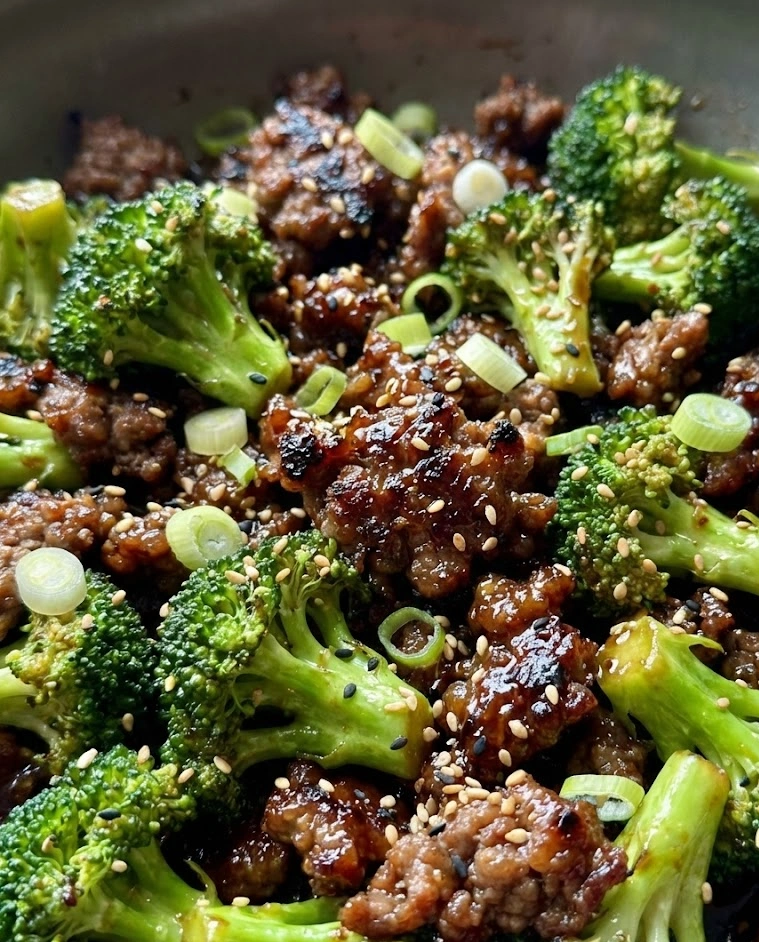
There’s a moment that happens every time you make this dish. The sauce hits the hot pan, the steam rises, and your entire kitchen fills with that deep, caramelized, garlicky aroma that smells exactly like your favorite Asian restaurant—except it’s coming from your own stove.
This Mongolian Ground Beef with Broccoli is one of those ground beef recipes that genuinely shocks people with how good it is. Rich, glossy sauce clinging to savory beef and crisp-tender broccoli, all ready in about 20 minutes with ingredients you can find at any grocery store.
This is the recipe that makes you permanently reconsider your takeout habit. Once you taste it, you’ll understand why.
Why You’ll Love This Mongolian Ground Beef with Broccoli
This dish earns its place in your regular dinner rotation for so many reasons, starting with pure, unapologetic flavor.
The sauce is the star. Sweet, savory, and deeply umami-forward, it coats every piece of beef and every broccoli floret in a glossy, craveable glaze that tastes like it came from a restaurant kitchen. The secret is in the technique, and we’ll cover exactly how to nail it.
Speed is another major advantage. Twenty minutes from cold pan to hot bowl is remarkable for a dish this flavorful. The ground beef cooks faster than sliced steak, which is precisely what makes this such a brilliant weeknight ground beef recipe.
The broccoli isn’t just a nutritional addition—it’s a flavor and texture partner. Those florets absorb the Mongolian sauce in a way that’s genuinely extraordinary. Every bite of broccoli carries as much flavor as the beef itself.
Budget-wise, this is a winner too. Traditional Mongolian beef uses flank steak, which can be expensive and time-consuming to prepare. Ground beef delivers the same bold flavors at a fraction of the cost and effort. That’s smart cooking.
And finally, this dish reheats beautifully. Make a double batch and you’ve solved lunch for the next three days.
Key Ingredients: The Flavor Science Behind the Sauce
The Mongolian sauce is where the magic lives in this recipe. Understanding what each ingredient does will help you make it perfectly every single time.
Ground Beef (80/20): The fat content in 80/20 beef is essential here. As the beef renders in the hot pan, that fat becomes the cooking medium that caramelizes the meat’s proteins and creates deeply browned, flavorful bits. Those browned bits are the foundation on which the entire sauce is built. Don’t drain all the fat—leave a thin layer to carry flavor.
Soy Sauce: This is the savory, salty backbone of the Mongolian sauce. It provides sodium, umami, and deep color. Use regular soy sauce for full flavor, low-sodium if you prefer more control over seasoning, or tamari for a gluten-free alternative that works beautifully.
Brown Sugar: This is what gives Mongolian sauce its signature sweetness and helps create that gorgeous glaze. Brown sugar’s molasses content adds caramel depth that white sugar simply can’t replicate. When the sugar hits the hot pan, it undergoes caramelization that deepens the color and complexity of the entire sauce.
Fresh Garlic: Four to five cloves, minced finely. Garlic is the aromatic engine of this dish. When it hits hot beef fat, it blooms instantly—releasing sulfur compounds that transform into sweet, nutty, complex flavors. Fresh garlic is completely non-negotiable here. The flavor difference between fresh and powdered is dramatic.
Fresh Ginger: Grated fresh ginger adds warmth, slight spice, and brightness that cuts through the sweetness of the brown sugar. It also contributes to that unmistakably Asian restaurant aroma. Like garlic, fresh is always better than powdered in this application.
Hoisin Sauce: A tablespoon of hoisin adds another layer of sweet-savory complexity and deepens the sauce’s color. It’s thick and rich and rounds out the sharper edges of the soy sauce beautifully.
Oyster Sauce: This might be the most underrated ingredient in the entire recipe. Oyster sauce is intensely umami, thick, and slightly sweet. It adds a rich, almost briny depth that makes the sauce taste like it has been simmering for hours. Vegetarian oyster sauce works perfectly as a substitute.
Sesame Oil: Added at the very end, never during cooking. Sesame oil’s aromatic compounds are volatile and burn off quickly under high heat. Adding it off the heat preserves those gorgeous toasted, nutty notes that signal authenticity in Asian-inspired cooking.
Cornstarch: The unsung hero of the glossy sauce. Cornstarch slurry thickens the sauce rapidly and creates that restaurant-quality sheen that makes the dish look as stunning as it tastes. It also helps the sauce cling to both the beef and the broccoli florets.
Red Pepper Flakes: Optional but highly recommended. A pinch of heat balances the sweetness of the brown sugar and adds dimension. Classic Mongolian sauce has a subtle heat running beneath the sweetness.
Broccoli: Fresh broccoli florets, cut to medium size so they cook evenly. Broccoli’s slightly bitter, earthy flavor is a perfect counterpoint to the sweet-savory sauce. When cooked to crisp-tender—still with a slight bite—it provides essential textural contrast to the tender beef.
How to Make Mongolian Ground Beef with Broccoli
Every step here is intentional. Follow the sequence carefully and you’ll build maximum flavor at every stage.
Step 1: Start your rice first. White rice, brown rice, or fried rice all work as a base. Getting it going before you start cooking means everything finishes at the same time and nothing sits waiting.
Step 2: Prepare your Mongolian sauce before you turn on the heat. In a small bowl, whisk together ¼ cup soy sauce, 3 tablespoons brown sugar, 1 tablespoon hoisin sauce, 1 tablespoon oyster sauce, ½ teaspoon red pepper flakes, and 2 tablespoons water mixed with 1 tablespoon cornstarch. Having this ready means you can add it quickly at the right moment without losing heat or momentum.
Step 3: Blanch the broccoli. Bring a pot of salted water to a boil and cook the broccoli florets for exactly 2 minutes. Transfer immediately to a bowl of ice water to stop the cooking. This technique—called blanching and shocking—locks in the broccoli’s bright green color and ensures it’s crisp-tender rather than mushy. Drain and set aside.
Step 4: Heat a large wok or heavy skillet over the highest heat your stove allows. Let it get genuinely, seriously hot before adding anything. A properly heated pan is the single most important technique in this entire recipe. It’s what creates sear, not steam.
Step 5: Add the ground beef directly to the screaming hot pan. Spread it into a single layer and resist the urge to stir for 2 full minutes. Let it develop a deep brown crust on the bottom. That crust is pure concentrated flavor and the foundation of your sauce.
Step 6: Break up the beef and continue cooking for 2-3 more minutes until fully browned with lots of caramelized bits throughout. These browned bits coating the pan will dissolve into the sauce and create extraordinary depth.
Step 7: Drain most of the excess fat, leaving a thin, flavorful layer in the pan. Push the beef to the sides of the pan to create a clear space in the center.
Step 8: Add the minced garlic and grated ginger to the center of the pan. Stir constantly for exactly 30-45 seconds. Watch it carefully—the line between perfectly fragrant and bitterly burned is thin at this heat level.
Step 9: Stir the garlic and ginger into the beef mixture, combining everything thoroughly.
Step 10: Give your pre-made sauce a quick whisk to reincorporate the cornstarch that may have settled. Pour the entire sauce over the beef in one decisive motion.
Step 11: Stir everything together quickly and let it cook for 2-3 minutes, stirring occasionally. Watch the transformation—the sauce will begin to thicken, darken, and develop an extraordinary gloss as the cornstarch activates and the sugars continue to caramelize.
Step 12: Add the blanched broccoli florets to the pan. Toss everything together gently but thoroughly, coating each floret in the glossy sauce. Cook for 1-2 minutes until the broccoli is heated through.
Step 13: Remove the pan from heat immediately. Drizzle sesame oil over the top and toss once more. The residual heat will warm the sesame oil just enough to release its aroma without burning off its flavor.
Step 14: Taste and adjust. Need more sweetness? A pinch more brown sugar. Too sweet? A splash more soy sauce. Want more heat? More red pepper flakes. Trust your palate.
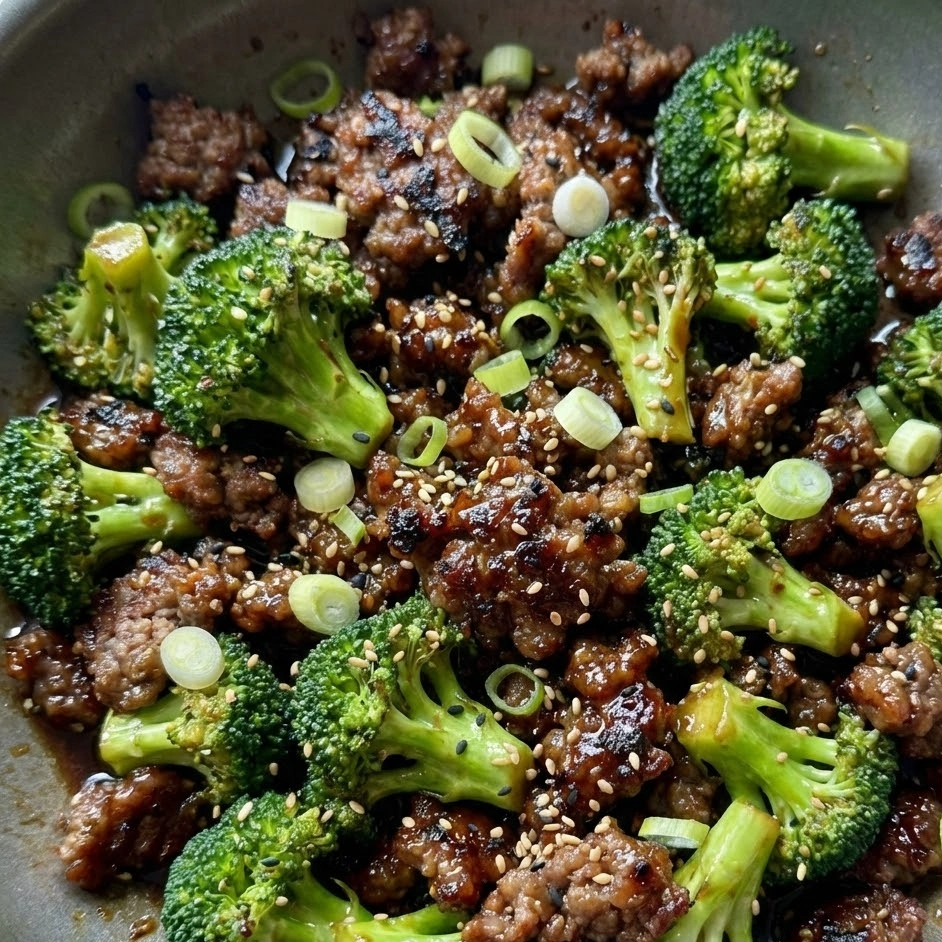
Step 15: Serve immediately over rice, garnished with sliced green onions and sesame seeds. The dish is at its absolute best right now, straight from the pan.
Variations & Tips to Make This Recipe Your Own
The beautiful thing about ground beef recipes like this one is how adaptable they are to different preferences and dietary needs.
Vegetable Additions: Snow peas, sliced bell peppers, baby bok choy, or shredded carrots can all be added alongside the broccoli. Add them during the final 2-3 minutes of cooking so they retain their texture and color.
Extra Umami Boost: A tablespoon of gochujang or a teaspoon of fish sauce stirred into the sauce creates extraordinary depth. These fermented ingredients add a complexity that makes people ask what your secret is.
Gluten-Free Version: Swap regular soy sauce for tamari, use gluten-free hoisin and oyster sauce, and ensure your cornstarch is certified gluten-free. The flavor is virtually identical to the original.
Low-Carb Option: Serve over cauliflower rice instead of white rice, and reduce the brown sugar to one tablespoon. You still get the signature Mongolian flavor profile with significantly fewer carbohydrates.
Ground Turkey Alternative: Ground turkey works beautifully with this sauce, though it’s naturally leaner so you may need to add a tablespoon of oil when browning. The sauce is bold enough to make turkey taste genuinely satisfying.
Make It Spicier: Double the red pepper flakes, add a tablespoon of chili garlic sauce to the Mongolian sauce blend, or top with fresh sliced red chilies. The sweetness of the brown sugar can handle substantial heat.
Noodle Bowl Version: Skip the rice and serve over lo mein noodles or rice noodles for a completely different but equally delicious experience. Toss the noodles directly in the pan with the beef and sauce.
Pro Chef Tip: The absolute key to restaurant-quality Mongolian sauce is cooking over high heat without fear. High heat caramelizes the sugars, creates the gloss, and develops the deep color that makes the dish visually stunning. Medium heat produces a pale, thin sauce that lacks the depth and drama you’re after. Embrace the heat.
Leftovers & Storage: This Gets Even Better Overnight
Mongolian Ground Beef with Broccoli is one of the most rewarding ground beef recipes to have as leftovers because the flavors deepen dramatically overnight.
Refrigerator Storage: Store the beef and broccoli mixture in an airtight container separate from your rice. It keeps beautifully for 4 days in the refrigerator. The broccoli will soften slightly but will absorb even more of the Mongolian sauce flavors.
Reheating: The best method is a hot skillet with a tablespoon of water. The water creates steam that gently reheats the beef and broccoli without drying them out. Two to three minutes over medium-high heat and it tastes freshly made. Microwave works in a pinch—use 30-second intervals and stir between each one.
Freezer Storage: The beef mixture freezes well for up to 3 months. However, broccoli’s texture suffers significantly in the freezer. For best results, freeze the seasoned beef separately and add fresh broccoli when reheating. This gives you the convenience of frozen meal prep without sacrificing the vegetable texture.
Thawing: Move the beef from freezer to refrigerator 24 hours before you need it. Reheat in a hot skillet as described above, and add fresh or blanched broccoli during the final 2 minutes.
Meal Prep Containers: This dish is outstanding for weekly meal prep. Divide rice into four containers, top with the beef and broccoli mixture, and refrigerate. You have four ready-to-go lunches that will make your coworkers genuinely envious.
Sauce Tip: If the sauce looks thick or dry after storage, add a splash of water or broth when reheating. The cornstarch can over-thicken during refrigeration, but a little liquid brings it right back to that gorgeous, glossy consistency.
Serving Suggestions: Complete Your Asian-Inspired Feast
While these bowls are a complete and satisfying meal on their own, the right accompaniments can elevate the experience even further.
Steamed jasmine rice is the classic and perfect base—its delicate floral aroma complements the bold Mongolian sauce without competing with it. Fried rice takes things in a richer, more indulgent direction that’s absolutely worth it on special occasions.
A simple cucumber salad dressed with rice vinegar, sesame oil, and a pinch of sugar provides a cooling, refreshing contrast to the warm, deeply flavored beef. The crunch and acidity are exactly what the richness of the sauce needs as a counterpoint.
Hot and sour soup or a light miso soup as a starter sets the Asian-inspired tone beautifully before the main course arrives.
Steamed dumplings or potstickers on the side transform this weeknight dinner into something that feels like a proper restaurant meal at home.
For drinks, jasmine tea served hot is a classic pairing that cleanses the palate between bites. Sparkling water with a squeeze of lime is a refreshing alcohol-free option. A cold Asian lager pairs exceptionally well for those who enjoy a beer with dinner.
The Takeout Problem This Recipe Solves
Let’s talk honestly about takeout for a moment, because this recipe exists specifically to solve a very real problem.
Takeout is convenient, but it comes with compromises. You don’t know exactly what’s going into the sauce. The portions may not fit your family’s needs. The cost adds up astonishingly fast, especially for a family of four ordering multiple times per week. And the food arrives in a state of decline—sitting in containers, losing texture and temperature by the minute.
This Mongolian Ground Beef with Broccoli gives you more control, better flavor, and significant cost savings. You know exactly what’s in the sauce. You can adjust the sweetness, heat level, and sodium to your preference. You serve it straight from the pan at the peak of its flavor and texture. That’s an experience takeout simply cannot replicate.
Among all the ground beef recipes that promise to replace your takeout habit, this one actually delivers on that promise. Not just because it’s convenient, but because it’s genuinely, legitimately delicious.
Why This Belongs at the Top of Your Ground Beef Recipes Collection
In a world full of ground beef recipes, this Mongolian Ground Beef with Broccoli occupies a rare and special category—dishes that seem impressive but are secretly effortless.
The glossy, restaurant-quality sauce. The perfectly caramelized beef. The crisp-tender broccoli coated in flavor. The aroma that fills your kitchen and draws everyone in from the other room. These are the marks of a truly exceptional recipe.
It’s the dish you make when you want to impress without stress. When you want bold flavor on a weeknight timeline. When you want to prove—to yourself and everyone at your table—that home cooking can be just as exciting, just as satisfying, and just as delicious as anything you’d order from a restaurant.
Heat up that wok, whisk that sauce, and get ready for the best 20-minute dinner you’ve made in a long time. Your takeout app is about to get a lot less use.
Mongolian Ground Beef with Broccoli
Equipment
- wok or large skillet
- mixing bowl
- whisk
- pot for blanching
Ingredients
- 1 lb ground beef (80/20)
- 3 cups broccoli florets
- 4 cloves garlic, minced
- 1 tbsp fresh ginger, grated
- 1/4 cup soy sauce (or tamari)
- 3 tbsp brown sugar
- 1 tbsp hoisin sauce
- 1 tbsp oyster sauce
- 1 tbsp cornstarch
- 2 tbsp water
- 1/2 tsp red pepper flakes (optional)
- 1 tsp sesame oil
- sliced green onions (garnish)
- sesame seeds (garnish)
Instructions
- Cook rice according to package instructions and keep warm.
- Whisk together soy sauce, brown sugar, hoisin sauce, oyster sauce, red pepper flakes, water, and cornstarch in a bowl. Set aside.
- Blanch broccoli florets in boiling salted water for 2 minutes. Transfer to ice water, drain, and set aside.
- Heat a large wok or skillet over high heat. Add ground beef and cook undisturbed for 2 minutes to develop a crust.
- Break up beef and continue cooking until fully browned. Drain most excess fat, leaving a thin layer.
- Add minced garlic and grated ginger. Cook 30–45 seconds until fragrant.
- Pour prepared sauce over beef. Stir and cook 2–3 minutes until thickened and glossy.
- Add blanched broccoli and toss to coat. Cook 1–2 minutes until heated through.
- Remove from heat. Drizzle sesame oil over top and toss gently.
- Serve immediately over rice and garnish with green onions and sesame seeds.