
The Flavor Profile
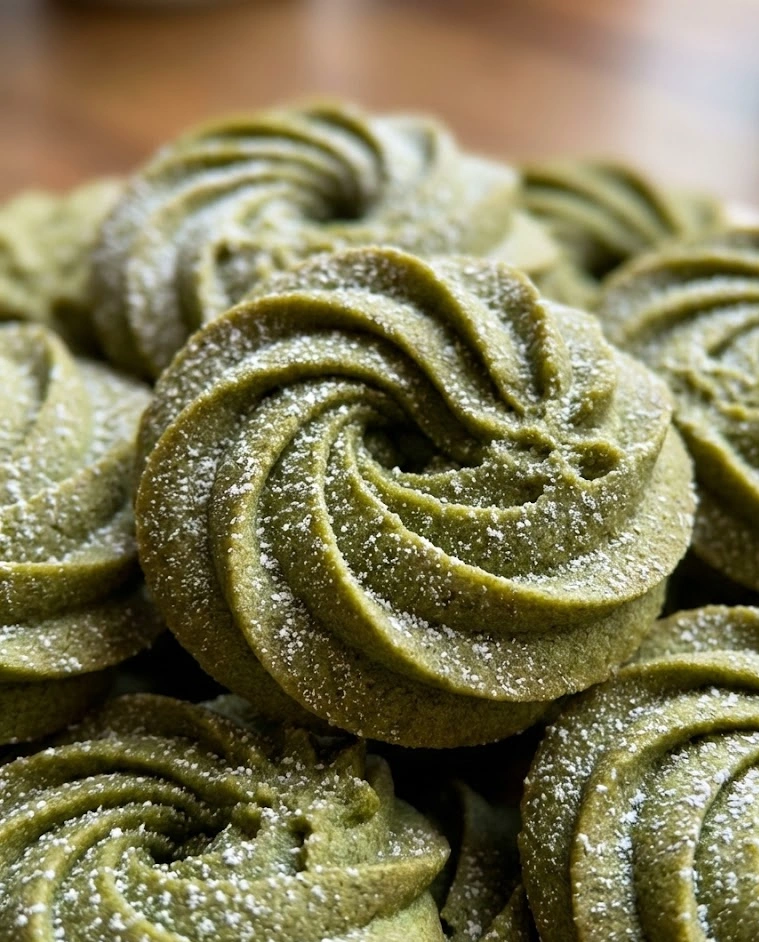
Matcha Butter Cookies represent the elegant intersection of Japanese tea ceremony tradition and European butter cookie craftsmanship. These cookies showcase matcha’s multifaceted flavor architecture: initial vegetal sweetness reminiscent of fresh-cut grass, followed by umami depth from amino acids (particularly L-theanine), finishing with a gentle, pleasant bitterness that prevents cloying sweetness. High-quality butter provides creamy richness that mellows matcha’s astringency while amplifying its grassy-sweet notes. The result is a sophisticated cookie that tastes simultaneously earthy and delicate, rich yet refined—a perfect bridge between indulgence and restraint, ideal for St. Patrick’s Day celebrations seeking natural green hues without artificial additives.
Dominant Notes: Earthy green tea, butter richness, subtle sweetness, umami undertones
Technique Focus: Matcha integration without bitterness; shortbread methodology for melt-in-mouth texture
Common Mistakes (And How to Avoid Them)
Mistake #1: Using Culinary-Grade Matcha Instead of Higher Quality
Not all matcha is created equal. Culinary-grade matcha (typically used for lattes and baking) oxidizes quickly during processing, developing harsh bitterness and dull olive color. For cookies where matcha is the star, invest in ceremonial-grade or premium culinary-grade matcha. The difference is substantial: ceremonial-grade offers sweet, smooth, vibrant flavor, while low-grade matcha tastes bitter and grassy in an unpleasant way. Use 1-2 tablespoons ceremonial-grade versus 2-3 tablespoons culinary-grade to achieve similar color intensity.
Mistake #2: Sifting Matcha with Other Dry Ingredients
Matcha clumps aggressively due to its fine particle size and hygroscopic nature (it absorbs moisture from air). Sifting it with flour doesn’t guarantee even distribution—you’ll still get green spots and pale areas. Instead, sift matcha separately, then whisk it vigorously into the creamed butter-sugar mixture where fat helps disperse particles evenly.
Mistake #3: Overbaking, Amplifying Bitterness
Matcha’s catechins (antioxidant compounds) become increasingly bitter with heat exposure. Overbaking by even 2-3 minutes transforms pleasant earthiness into acrid bitterness. Bake matcha cookies at 325°F maximum, and remove when centers still appear slightly soft. The residual heat during cooling completes the baking process without developing harsh flavors.
Mistake #4: Storing Matcha Improperly Before Use
Matcha oxidizes rapidly when exposed to light, heat, and air, losing its vibrant green color and developing stale, fishy off-flavors. Always store matcha in an opaque, airtight container in the refrigerator or freezer. Bring to room temperature before opening the container (prevents condensation). Use within 2-3 months of opening for optimal flavor.
Mistake #5: Using Salted Butter Without Adjusting Salt
Traditional shortbread relies on precise butter-to-salt ratios. Using salted butter adds approximately ¼ teaspoon salt per stick (113g), which can overpower matcha’s delicate flavor. Always use unsalted butter and add salt precisely—matcha pairs best with minimal salt that enhances without masking.
Chef’s Notes: The Science of Matcha and Shortbread Texture
Matcha is shade-grown green tea that’s been stone-ground into fine powder. The shading process (done 3-4 weeks before harvest) increases chlorophyll production and amino acid content, particularly L-theanine, which contributes both umami flavor and the calm, focused energy matcha is famous for. When you consume matcha in baked goods, you’re ingesting the entire tea leaf—not just an infusion—which means you get higher concentrations of antioxidants, caffeine, and flavor compounds.
From a baking science perspective, matcha behaves similarly to cocoa powder: it’s a dry ingredient that absorbs moisture and contributes subtle flavor without major structural changes. However, unlike cocoa, matcha contains no fat, so it doesn’t contribute to tenderness. This is why matcha cookies benefit from higher butter ratios—the fat compensates for matcha’s drying effect.
Shortbread methodology—the 3:2:1 ratio of flour:butter:sugar—creates cookies with exceptionally tender, crumbly texture. This happens because high fat content “shortens” gluten strands (prevents them from forming long networks), resulting in that characteristic snap-then-melt texture. The key is minimal mixing after adding flour, which prevents gluten development entirely.
For matcha shortbread specifically, we slightly reduce sugar compared to traditional recipes. Matcha’s natural bitterness requires some sweetness to balance, but excessive sugar masks the tea’s complex flavor profile. The goal is harmony—sweet enough to be pleasant, restrained enough to let matcha shine.
Matcha Butter Cookies Recipe
Yield: 32 cookies
Prep Time: 20 minutes (plus 1 hour chilling)
Cook Time: 14 minutes per batch
Total Time: 1 hour 50 minutes
Ingredients
For the Cookie Dough:
- 2 cups (250g) all-purpose flour
- 2 tablespoons (12g) ceremonial-grade matcha powder (or 3 tablespoons premium culinary-grade)
- ¼ teaspoon fine sea salt
- 1 cup (227g) unsalted butter, room temperature (European-style preferred for higher butterfat)
- ½ cup (60g) powdered sugar, sifted
- ¼ cup (50g) granulated sugar
- 1 teaspoon pure vanilla extract
- ½ teaspoon almond extract (optional, enhances nutty notes)
For the Matcha Sugar Coating:
- ⅓ cup (65g) granulated sugar
- 1 teaspoon ceremonial-grade matcha powder
For Optional White Chocolate Drizzle:
- 4 ounces (113g) white chocolate, chopped
- 1 teaspoon coconut oil or vegetable shortening
- Additional matcha powder for dusting (optional)
Instructions
Step 1: Prepare Matcha Integration
Sift matcha powder through a fine-mesh sieve into a small bowl. This removes any clumps that formed during storage. Even high-quality matcha clumps naturally due to static electricity and moisture absorption. Set aside.
Step 2: Combine Dry Base Ingredients
Whisk together flour and salt in a medium bowl. Do NOT add matcha at this stage—it distributes more evenly when incorporated with the butter. Set aside.
Step 3: Cream Butter and Sugars
In the bowl of a stand mixer fitted with the paddle attachment, beat room-temperature butter on medium speed for 2 minutes until smooth and creamy. The butter should lighten slightly in color and increase in volume. European-style butter (82-84% butterfat versus standard 80%) creates richer, more tender cookies, but standard unsalted butter works beautifully.
Add powdered sugar and granulated sugar. Cream on medium speed for 3 minutes until light, fluffy, and pale ivory. The mixture should be noticeably aerated. This creaming process incorporates air cells that expand during baking, creating tender texture.
Step 4: Incorporate Matcha Directly into Fat
Add the sifted matcha powder directly to the creamed butter-sugar mixture. Beat on low speed for 45-60 seconds until completely incorporated and uniformly green with no streaks. Scrape down bowl sides and bottom. The fat molecules in butter surround matcha particles, ensuring even distribution and preventing clumping.
Add vanilla extract and almond extract (if using). Beat for 15 seconds to combine.
Step 5: Build Dough Structure Gently
With mixer on low speed, add flour mixture in two additions, mixing only until just combined after each addition—approximately 15-20 seconds total per addition. The moment you stop seeing flour streaks, STOP mixing. Overmixing develops gluten, which creates tough, cake-like cookies instead of tender, crumbly shortbread.
The dough should be soft, cohesive, and uniformly green. If it seems slightly dry or crumbly, that’s normal for shortbread—it will come together during chilling.
Step 6: Shape and Chill
Turn dough out onto a work surface. Divide into two equal portions. Shape each portion into a log approximately 1½ inches in diameter and 8 inches long. This diameter creates cookies that are substantial but not oversized.
Wrap each log tightly in plastic wrap, rolling on the counter to smooth the surface and create uniform cylinders. Refrigerate for at least 1 hour or up to 3 days. For longer storage, freeze logs for up to 3 months.
Chilling firms the butter, making the dough sliceable and preventing excessive spreading during baking.
Step 7: Prepare Matcha Sugar Coating
While dough chills, prepare the coating. Sift 1 teaspoon matcha powder into a small bowl containing ⅓ cup granulated sugar. Whisk vigorously with a fork to distribute matcha evenly. This coating amplifies the cookies’ green appearance and adds textural contrast.
Step 8: Slice with Precision
Preheat oven to 325°F (163°C). Line two baking sheets with parchment paper.
Remove one dough log from refrigerator. Unwrap and roll in matcha sugar coating, pressing gently so sugar adheres to the surface. Using a sharp knife (a serrated knife works particularly well), slice the log into ¼-inch rounds. Wipe the knife blade between cuts to maintain clean edges and prevent matcha buildup.
If the dough becomes too soft to slice cleanly, return it to the refrigerator for 10-15 minutes.
Place sliced cookies 1½ inches apart on prepared baking sheets. These cookies spread minimally due to high butter content and proper chilling.
Step 9: Bake to Pale Perfection
Bake for 13-15 minutes, rotating pans halfway through for even baking. Cookies are done when edges are just barely set and show the faintest hint of golden color at the very bottom edges. Centers should appear matte and slightly soft—they’ll firm during cooling.
CRITICAL: Do not overbake. Matcha cookies should remain pale green, not brown. Browning indicates caramelization of sugars, which also means bitterness development in matcha. If cookies brown, your oven temperature is too high or baking time too long.
Step 10: Cool Strategically
Let cookies rest on baking sheets for 5 minutes. During this time, the butter solidifies slightly, allowing cookies to firm enough for transfer. Move to wire racks and cool completely—approximately 20-30 minutes.
The cookies will be very delicate when warm but become crisp and sturdy as they cool.
Step 11: Optional White Chocolate Drizzle
If desired, add elegant white chocolate decoration. Combine chopped white chocolate and coconut oil in a microwave-safe bowl. Microwave in 20-second intervals at 50% power, stirring between each interval, until 80% melted. Remove from microwave and stir continuously until completely smooth—the residual heat melts remaining chunks.
Let chocolate cool for 2-3 minutes until it reaches a thick, honey-like consistency that will create defined drizzle lines rather than running off.
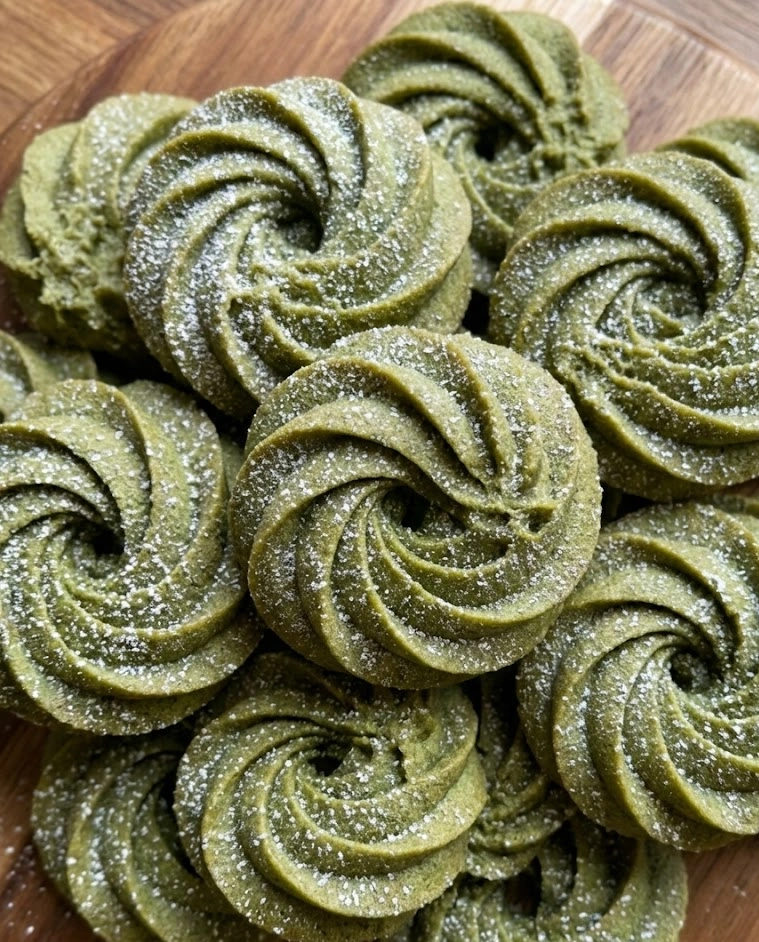
Transfer to a piping bag, zip-top bag with corner snipped, or simply use a fork. Drizzle over cooled cookies in zigzag or parallel lines. For extra sophistication, dust lightly with additional matcha powder through a fine-mesh sieve immediately after drizzling, before chocolate sets.
Let chocolate set completely at room temperature for 30 minutes before serving or storing.
Substitutions & Variations
Gluten-Free Adaptation:
Replace all-purpose flour with a 1:1 gluten-free baking flour blend containing xanthan gum (Bob’s Red Mill or King Arthur). Add 2 tablespoons additional powdered sugar to compensate for texture differences. Chill dough for 2 hours minimum—gluten-free shortbread requires extended chilling for sliceable consistency. Cookies may be slightly more crumbly but taste excellent.
Vegan Version:
Replace butter with high-quality vegan butter (Miyoko’s European-Style is exceptional). The cookies will be slightly less rich but still delicious. Ensure all other ingredients (white chocolate if using) are vegan-certified.
Lower-Sugar Option:
Reduce granulated sugar to 2 tablespoons and powdered sugar to ⅓ cup. The cookies will be less sweet but matcha’s flavor will be more pronounced. Consider this option if using very high-quality ceremonial matcha, which is sweet enough on its own.
Black Sesame Matcha Variation:
Add 3 tablespoons toasted black sesame seeds (ground in a spice grinder) to the dough for nutty complexity. The sesame adds earthy depth that complements matcha beautifully. Visually, you’ll see dramatic black speckles against vibrant green—stunning presentation.
Coconut Matcha Cookies:
Replace ½ cup flour with ½ cup unsweetened shredded coconut (finely chopped in food processor). The coconut adds tropical sweetness and chewy texture. Reduce butter to ¾ cup to compensate for coconut’s fat content.
White Chocolate Chip Addition:
Fold ¾ cup white chocolate chips into the dough after adding flour. The sweet white chocolate pockets provide nice contrast to matcha’s earthy bitterness. Use high-quality white chocolate (Ghirardelli or Guittard) for best results.
Lemon-Matcha Variation:
Add 2 tablespoons fresh lemon zest to the creamed butter before adding matcha. The citrus brightness cuts through richness and adds complexity. Consider a lemon glaze instead of white chocolate: powdered sugar + lemon juice + matcha powder.
Pairing Suggestions
Beverage Complement:
The obvious pairing is freshly whisked matcha tea—experiencing matcha in both liquid and solid form highlights the ingredient’s versatility. For contrast, serve with hojicha (roasted green tea), which provides smoky, nutty notes that complement without competing. Black coffee also pairs excellently—its bitterness harmonizes with matcha’s rather than clashing. For milk-based drinks, try a vanilla latte or matcha latte with reduced sweetness.
Dessert Spread Integration:
These cookies provide sophisticated restraint on a St. Patrick’s Day dessert table. Their natural green color and refined flavor profile make them ideal alongside richer chocolate desserts or cream-based treats. The cookies’ crisp texture contrasts nicely with soft cakes or mousses. Display on dark slate or black ceramic plates to maximize visual impact—the green pops dramatically against dark backgrounds.
Food Pairing:
In Japanese culture, matcha traditionally pairs with wagashi (delicate sweets) to balance tea’s astringency. Apply this principle by serving matcha cookies alongside: fresh strawberries (the fruit’s sweetness balances bitterness), vanilla ice cream, or whipped cream with minimal sugar. For adventurous pairings, try aged cheese like Parmigiano-Reggiano—the umami in both matcha and cheese creates surprising harmony.
Storage & Make-Ahead Tips
Room Temperature: Store cookies in an airtight container at room temperature for up to 2 weeks. The high butter content acts as a natural preservative. For maximum freshness, place a sheet of parchment between layers to prevent cookies from sticking.
Maintaining Color: Matcha’s vibrant green fades gradually due to light exposure. Store cookies in an opaque container (metal tin or dark ceramic) rather than clear glass to preserve color longer.
Freezing Dough: Wrap dough logs tightly in plastic wrap, then aluminum foil. Freeze for up to 3 months. When ready to bake, let dough stand at room temperature for 10-15 minutes until sliceable (it should still be very cold). Slice and bake as directed—no need to fully thaw.
Freezing Baked Cookies: Freeze undecorated cookies in airtight containers for up to 3 months. Thaw at room temperature for 30 minutes, then add white chocolate drizzle fresh for optimal appearance.
Dough Log Variations: Divide dough into multiple logs and add different mix-ins to each: one plain matcha, one with white chocolate chips, one with black sesame. This creates variety from a single batch of base dough.
Gift-Giving Strategy: Matcha cookies make exceptional gifts when packaged thoughtfully. Arrange in clear cellophane bags tied with twine, or layer in decorative tins with parchment between layers. Include a note mentioning the matcha’s origin and grade—recipients appreciate knowing they’re receiving premium ingredients.
Matcha Quality Guide
Understanding matcha grades helps you choose the right product for your cookies:
Ceremonial Grade ($25-40 per 30g):
Vibrant jade green, sweet and smooth with minimal bitterness. Made from youngest tea leaves (first harvest). Best for: cookies where matcha is the primary flavor. Use 1-2 tablespoons per batch.
Premium Culinary Grade ($15-25 per 30g):
Bright green, balanced flavor with slight astringency. Made from slightly mature leaves (second harvest). Best for: everyday baking where good matcha flavor is desired but cost is a factor. Use 2-3 tablespoons per batch.
Culinary Grade ($8-15 per 30g):
Olive-yellow green, more bitter and grassy. Made from later harvests. Best for: recipes with strong complementary flavors (chocolate, coffee) where matcha provides color more than starring flavor. Use 3-4 tablespoons per batch and increase sugar slightly to balance bitterness.
Visual Test: High-quality matcha should be vibrant green, not olive or yellowish. It should smell fresh and grassy, not fishy or stale. When whisked with water, it should create a bright green liquid with natural sweetness.
Source Matters: Japanese matcha (particularly from Uji, Kyoto region) is considered gold standard. Cheaper “matcha” from China may be made from sencha (regular green tea) ground into powder—it won’t have the same flavor complexity or vibrant color.
Cultural Context: Matcha in Baking
While matcha has been consumed in Japan for over 800 years (brought by Zen Buddhist monks from China), its integration into Western-style baked goods is relatively recent—primarily the last 20-30 years. This fusion represents culinary innovation: taking a sacred ceremonial ingredient and adapting it to butter cookie tradition.
In Japan, matcha appears in traditional confections like matcha mochi, dorayaki, and yokan, but Western-style matcha cookies are more common in modern Tokyo cafes than traditional tea houses. This recipe honors both traditions: the careful attention to matcha quality echoes Japanese tea ceremony precision, while the shortbread methodology represents European butter cookie craftsmanship at its finest.
When serving these cookies for St. Patrick’s Day, you’re actually celebrating global culinary exchange—using a Japanese ingredient to create naturally green treats for an Irish holiday. It’s a beautiful example of how food traditions evolve and cross-pollinate across cultures.
Matcha Butter Cookies
Equipment
- stand mixer or hand mixer
- mixing bowls
- fine mesh sieve
- baking sheets
- parchment paper
Ingredients
- 2 cups all-purpose flour
- 2 tbsp ceremonial-grade matcha powder
- 1/4 tsp fine sea salt
- 1 cup unsalted butter, room temperature
- 1/2 cup powdered sugar, sifted
- 1/4 cup granulated sugar
- 1 tsp pure vanilla extract
- 1/2 tsp almond extract (optional)
- 1/3 cup granulated sugar (for matcha coating)
- 1 tsp matcha powder (for coating)
- 4 oz white chocolate, chopped (optional drizzle)
- 1 tsp coconut oil or vegetable shortening (optional)
Instructions
- Sift matcha powder into a small bowl to remove clumps and set aside.
- Whisk flour and salt together in a separate bowl.
- Cream butter until smooth, then add powdered sugar and granulated sugar. Beat until light and fluffy.
- Add sifted matcha to the butter mixture and mix until evenly green. Add vanilla and almond extract if using.
- Add flour mixture gradually, mixing just until combined.
- Divide dough, shape into logs, wrap, and refrigerate for at least 1 hour.
- Roll chilled dough logs in matcha sugar, then slice into 1/4-inch rounds.
- Bake at 325°F (163°C) until edges are just set and pale, 13–15 minutes.
- Cool cookies completely on wire racks.
- If desired, drizzle with melted white chocolate and let set before serving.
wow. I just landed here and am wowed. The amount of information provided, and the impressive presentation and clarity of that information is notable. Thank you so much for sharing your knowledge.
This absolutely made my day! Thank you so much for such kind words, it really means the world to me when readers appreciate the effort that goes into each recipe. I love sharing what I’ve learned in the kitchen, and knowing it’s helpful to you makes it all worthwhile. Welcome, and I’m so happy you’re here! 💕