
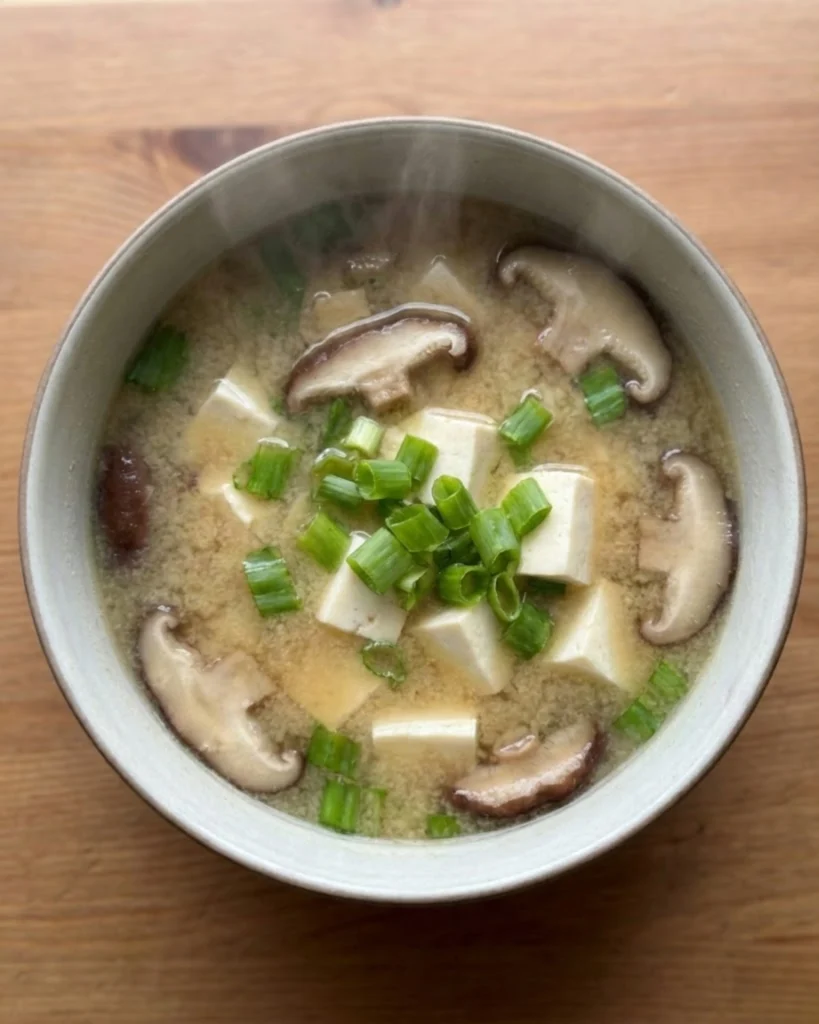
Craving a healthy, warming meal that doesn’t taste like “diet food”? This Easy Miso Hotpot (also called Nabe in Japanese) is a Japanese-inspired one-pot wonder that’s about to become your new weeknight obsession. Forget bland steamed vegetables and boring chicken breasts—this is what healthy eating should taste like!
Picture this: a steaming pot of savory, umami-rich broth loaded with soft tofu, earthy mushrooms, and tender veggies, all infused with the complex, fermented goodness of miso paste. It’s incredibly light yet satisfying, and you can customize it with whatever vegetables are in your fridge. No special shopping trip required, no exotic ingredients you’ll only use once—just wholesome, delicious comfort food that happens to be incredibly good for you. This Easy Miso Hotpot is the kind of meal that makes you feel amazing while you’re eating it and even better after you’re done.
Why Miso Hotpot is the Ultimate Weeknight Saviour
If you’ve been looking for a healthy dinner that doesn’t require meal prep, complicated techniques, or hours in the kitchen, let me introduce you to your new best friend. This Easy Miso Hotpot checks every single box:
Lightning Fast: This meal is ready in under 20 minutes from start to finish. Seriously! By the time you’d finish scrolling through takeout options and waiting for delivery, you could be sitting down to a homemade, nourishing meal. It’s the ultimate “I’m too tired to cook but need something healthy” solution.
Genuinely Healthy: We’re talking low calorie, high protein, and absolutely packed with nutrients. The miso paste itself is probiotic-rich, which means it’s fantastic for your gut health. Combine that with fiber-packed vegetables, protein-rich tofu, and a light broth base, and you’ve got a meal that nourishes your body without weighing you down. It’s the kind of dinner that makes you feel energized, not sluggish.
Incredibly Versatile: This is the ultimate “clean out the fridge” meal! Got some wilted bok choy? Toss it in. That lonely carrot in the crisper drawer? Perfect. Half a package of mushrooms? Even better. The beauty of hotpot is that it’s endlessly adaptable. You can use whatever vegetables and proteins you have on hand, making it different every single time.
Cozy Perfection: There’s something deeply comforting about eating straight from the pot on a cold night, watching the steam rise, and knowing you’ve made something wholesome with your own hands. It’s the kind of meal that warms you from the inside out and makes you want to curl up under a blanket with a good book.
Choosing the Right Miso Paste for Your Hotpot
The miso paste is what gives this Easy Miso Hotpot its signature depth and complexity, so it’s worth understanding your options. Don’t worry—there’s no wrong choice here, just different flavor profiles!
White Miso (Shiro Miso): This is the sweetest and mildest variety, made with a higher proportion of rice koji and fermented for a shorter time. If you’re new to miso or cooking for people who might be sensitive to strong flavors, white miso is your friend. It creates a lighter, more delicate broth that’s still incredibly flavorful but gentle and approachable.
Red Miso (Aka Miso): Fermented longer and made with more soybeans, red miso has a stronger, saltier, and much deeper flavor. It’s robust and earthy, with a pronounced umami punch that can stand up to heartier ingredients. If you love bold flavors and want a more intensely savory broth, red miso is the way to go.
Awase Miso (Mixed Miso): This is a blend of white and red miso, giving you the best of both worlds—some sweetness and mildness balanced with depth and complexity. If you can’t decide, or if you want a well-rounded flavor that’s universally appealing, awase miso is a safe bet.
Here’s the Golden Rule: Never boil miso! Once you’ve added your miso paste to the broth, turn off the heat or keep it at a gentle simmer. Boiling kills the beneficial probiotics and can make the flavor turn bitter and harsh. Always dissolve it in a small amount of warm broth first (we’ll talk about this technique below), then stir it into your hotpot at the very end.
How to Make Easy Miso Hotpot (Step-by-Step)
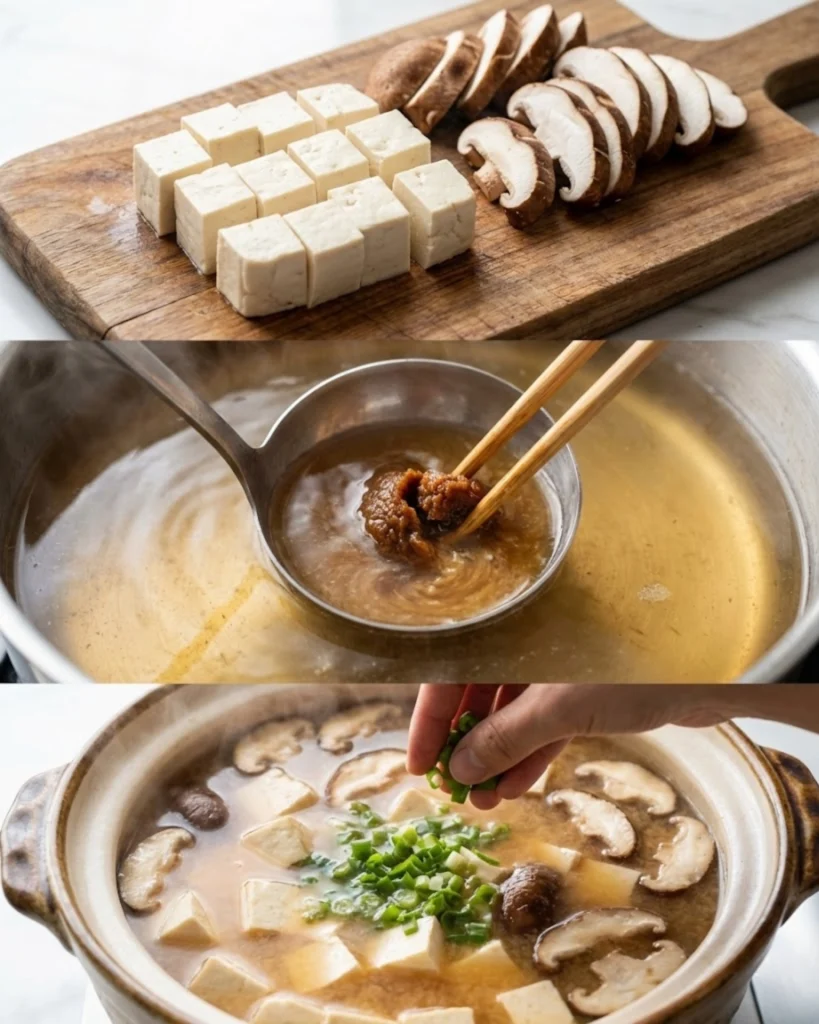
Making this Easy Miso Hotpot is beautifully simple, but following these steps in order ensures everything cooks perfectly and the flavors develop properly:
Step 1: Create Your Broth Base. Start with about 4-5 cups of dashi broth (the traditional Japanese base made from kombu seaweed and bonito flakes), or use chicken or vegetable broth if you don’t have dashi. Heat your broth in a large pot or donabe (traditional Japanese clay pot) over medium heat. If you’re using dashi powder or instant dashi, this is when you’d stir it in according to package directions.
Step 2: Add the Harder Vegetables First. Ingredients like carrots, daikon radish, and potatoes take longer to cook, so they go in first. Slice them relatively thin (about ¼-inch) so they cook quickly, and let them simmer for about 5-7 minutes until they’re just tender. This layered cooking approach ensures everything finishes at the same time.
Step 3: Add Your Quick-Cooking Ingredients. Now add your mushrooms (shiitake, enoki, or any variety you love), cubed tofu, napa cabbage, bok choy, or any leafy greens. These only need about 3-4 minutes to cook through. The tofu just needs to heat up and absorb some of that delicious broth flavor, while the greens should wilt and become tender but still vibrant.
Step 4: The Miso Slurry (This is KEY!). Turn off the heat or reduce it to the absolute lowest setting. Scoop about ½ cup of the hot broth into a ladle or small bowl, add 3-4 tablespoons of miso paste, and whisk it together until completely smooth. This prevents lumps and ensures the miso dissolves evenly. Now gently stir this miso slurry back into your pot. Taste and adjust—you can always add more miso if you want a stronger flavor, but remember it’s easier to add than to take away!
Fun Add-Ins to Bulk Up Your Miso Hotpot
One of the best things about this Easy Miso Hotpot is how easily you can transform it from a light soup into a complete, filling meal with just a few strategic additions:
Noodles Make It a Meal: Add udon noodles (fresh or frozen), ramen noodles, or delicate glass noodles (also called shirataki or cellophane noodles) during the last few minutes of cooking. They’ll soak up all that savory broth and turn your hotpot into a substantial noodle soup that’s completely satisfying. If you’re using dried noodles, you might want to cook them separately and add them at the end to avoid making your broth too starchy.
Protein Power: Thinly sliced pork belly, chicken breast, or shrimp cook in literal seconds when added to hot broth. Just make sure your slices are thin (partially freezing meat makes it easier to slice thinly), and swish them through the hot broth until they’re just cooked through. The quick cooking keeps everything tender and prevents overcooking.
Dumpling Shortcut: Frozen potstickers or gyoza are an absolute game-changer here! Just add them straight from the freezer to your simmering broth about 5 minutes before serving. They’ll cook perfectly and add wonderful texture and flavor. This is my go-to trick when I need the hotpot to feel extra special or more filling.
Other Tasty Ideas: Try adding corn (fresh or frozen), bamboo shoots, fish cakes (if you can find them at an Asian market), soft-boiled eggs, or even kimchi for a spicy, fermented kick that plays beautifully with the miso.
Serving and Dipping Sauces for Your Easy Miso Hotpot
The beauty of hotpot culture is in the eating experience itself. Here’s how to serve your Easy Miso Hotpot for maximum enjoyment:
The Vessel: Traditionally, hotpot is served in a donabe (a beautiful Japanese clay pot that retains heat wonderfully and looks gorgeous on the table), but a regular Dutch oven, large soup pot, or even a portable electric hot pot works perfectly fine. The important thing is that it stays warm throughout your meal—some people even serve it over a portable burner at the table so everyone can help themselves and the broth stays steaming hot.
Dipping Sauces Elevate Everything: Set out small bowls of ponzu sauce (a bright, citrusy soy-based sauce) or gomadare (rich, nutty sesame sauce) for dipping your cooked ingredients. It might seem unnecessary, but that extra layer of flavor makes every bite exciting and different. You just pluck ingredients from the communal pot with your chopsticks, dip, and enjoy!
Garnish Generously: Top your hotpot with plenty of thinly sliced green onions, toasted sesame seeds, a drizzle of sesame oil, and maybe some shichimi togarashi (Japanese seven-spice blend) if you like heat. These finishing touches add pops of flavor, color, and texture that make the dish feel restaurant-worthy.
Make It Communal: If you’re serving family or friends, place the pot in the center of the table with individual bowls around it. Everyone can serve themselves, adding more of what they love. It becomes an interactive, cozy meal that encourages conversation and connection.
Frequently Asked Questions About Easy Miso Hotpot
Do I need dashi powder to make authentic miso hotpot?
While dashi definitely adds that authentic Japanese umami flavor that makes hotpot taste genuinely special, you absolutely don’t need it to make a delicious meal. Good-quality vegetable broth or chicken broth works beautifully in a pinch. If you want to add a little extra umami without dashi, try adding a small piece of kombu (dried kelp) to your broth as it heats, or stir in a splash of soy sauce. That said, dashi powder is inexpensive, lasts forever in your pantry, and really does make a noticeable difference, so it’s worth picking up if you plan to make this regularly!
Can I reheat miso soup or leftover hotpot?
Yes, you can definitely reheat leftovers! Just remember the golden rule: don’t let it come to a rolling boil. Reheat it gently over medium-low heat, stirring occasionally, until it’s just heated through. The probiotics in miso are sensitive to high heat, and boiling can make the flavor turn slightly bitter. If your leftovers seem too thick after being refrigerated, just add a splash of water or broth to loosen it up.
What kind of tofu works best in miso hotpot?
This really depends on your personal preference! Silken tofu (the kind that comes in shelf-stable boxes) has an incredibly soft, custard-like texture that practically melts in your mouth—it’s traditional and luxurious but can be fragile and tricky to handle. Medium-firm or firm tofu holds its shape much better, making it easier to serve and eat, though it has a slightly denser texture. Honestly, both are delicious, so use whatever you prefer or have on hand. Just be sure to drain it well and cut it into cubes before adding it to your hotpot.
Conclusion
This Easy Miso Hotpot is a hug in a bowl—the kind of meal that makes you feel taken care of, even when you’re the one doing the cooking. It’s nourishing, delicious, and so simple to throw together after a long day when cooking feels like the last thing you want to do. The beauty of this recipe is that it meets you where you are: use whatever vegetables are languishing in your crisper drawer, make it as simple or elaborate as you have energy for, and know that you’re feeding yourself something genuinely healthy and comforting.
Whether you’re cooking for one, feeding your family, or hosting friends for a casual dinner party, this Easy Miso Hotpot adapts beautifully. It’s proof that healthy food doesn’t have to be boring or complicated—sometimes the simplest meals are the most satisfying.
Get cozy with this healthy hotpot tonight! Let me know what veggies you used in the comments below—I love hearing how you make this recipe your own. And be sure to pin this healthy recipe for later when you need a quick, nourishing dinner that actually tastes amazing! Your future self will thank you.
Easy Miso Hotpot (Japanese Nabe)
Equipment
- large pot or donabe
- ladle
Ingredients
- 5 cups dashi broth or vegetable/chicken broth
- 3-4 tablespoons miso paste
- 14 oz firm or silken tofu, cubed
- 8 oz mixed mushrooms, sliced
- 2 medium carrots, thinly sliced
- 3 cups napa cabbage or bok choy, chopped
- 1 cup daikon radish, thinly sliced (optional)
- 3 green onions, sliced
- 1 tablespoon soy sauce
- 1 teaspoon sesame oil
- sesame seeds for garnish
Instructions
- Bring dashi or broth to a simmer over medium heat.
- Add carrots and daikon; cook 5–7 minutes.
- Add mushrooms, tofu, and cabbage; simmer 3–4 minutes.
- Make miso slurry with hot broth and miso paste. Whisk until smooth.
- Gently stir miso slurry, soy sauce, and sesame oil into pot without boiling.
- Serve with green onions and sesame seeds.