There’s a moment in every adult’s life when you realize that the best St. Patrick’s Day celebration doesn’t involve green beer or shamrock-shaped sugar cookies. It involves something far more sophisticated: Bailey’s Irish Cream.
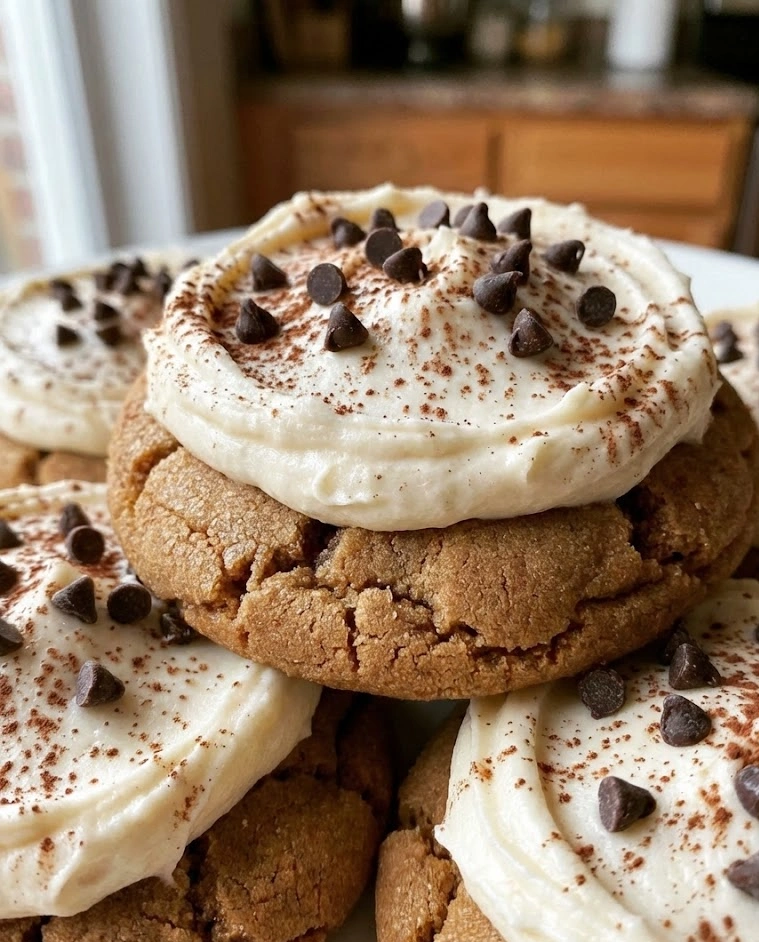
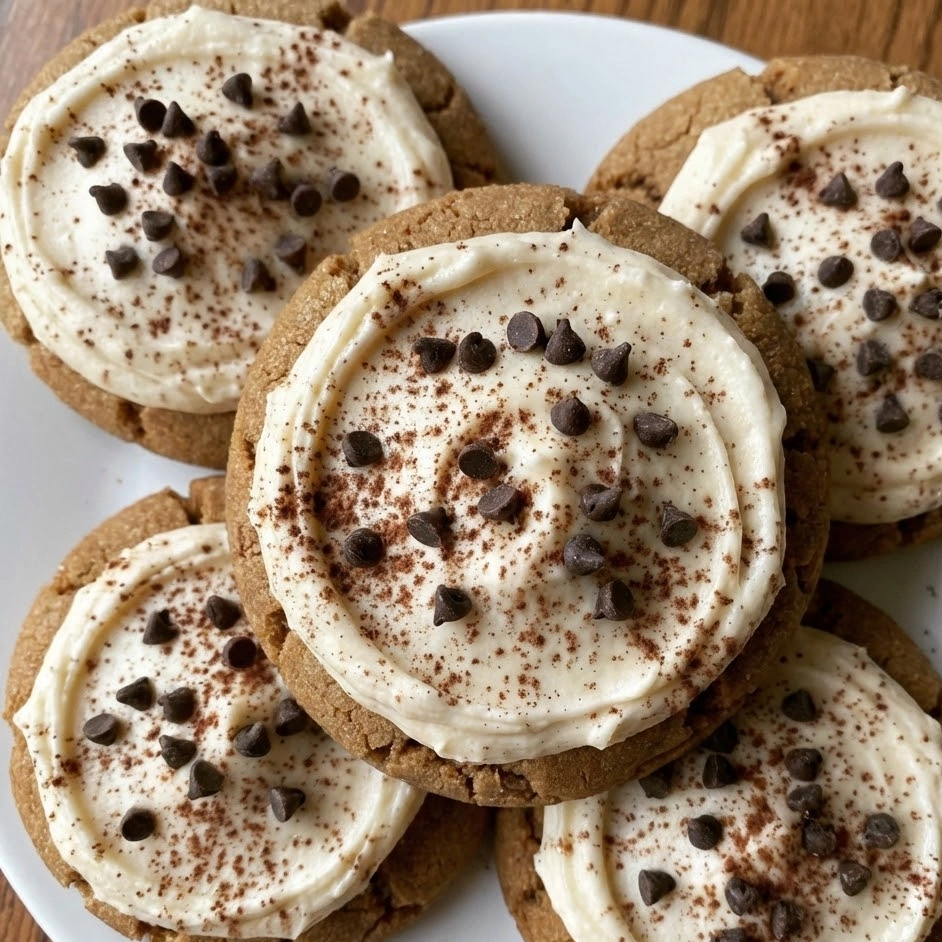
These Bailey’s Irish Cream Cookies are exactly that kind of grown-up indulgence. Soft, tender cookies infused with real Bailey’s in both the dough and the glaze, finished with a decadent chocolate drizzle that makes them look as elegant as they taste. They’re one of those St Patrick’s Day treats that announce, quite clearly, that this celebration is for adults who appreciate real flavor and genuine sophistication.
The Bailey’s flavor isn’t subtle—it’s present, pronounced, and absolutely glorious. If you love Irish cream liqueur, these cookies will become your new St. Patrick’s Day tradition.
Why You’ll Love These Bailey’s Irish Cream Cookies
Let’s start with the most obvious reason: these taste like your favorite after-dinner drink in cookie form.
Bailey’s Irish Cream has that distinctive combination of cream, whiskey, and chocolate that’s deeply comforting and undeniably sophisticated. When you bake with it, those flavors concentrate and develop in a way that’s even more pronounced than the liquid itself. The result is a cookie that tastes genuinely boozy in the best possible way—rich, complex, and unmistakably adult.
The texture is exceptional. These cookies are soft and tender with a slight chew, never cakey or dry. The Bailey’s in the dough contributes both flavor and moisture, creating a crumb that stays fresh for days. They’re the kind of cookie that makes you close your eyes on the first bite because the texture is just that satisfying.
They’re elegant enough for sophisticated gatherings but easy enough for casual baking. The technique is straightforward—this is essentially a butter cookie with added Bailey’s—but the final presentation looks like something from a boutique bakery. That combination of simplicity and sophistication is rare and valuable.
These cookies also travel beautifully. The glaze sets firmly, the cookies maintain their shape, and they can withstand packaging and transport without becoming a crumbly mess. That makes them perfect for cookie exchanges, teacher gifts, or bringing to parties where you want to arrive with something impressive.
Finally, they’re genuinely unique. While everyone else brings green-tinted sugar cookies or shamrock-shaped treats, you arrive with something that tastes distinctly, deliciously different. That uniqueness makes you memorable—always a good thing at any celebration.
Key Ingredients: Building Sophisticated Flavor
Understanding what each ingredient contributes helps you execute these Bailey’s Irish Cream Cookies with confidence and precision.
Bailey’s Irish Cream: This is the star ingredient, appearing in both the cookie dough and the glaze. Use the original Bailey’s Irish Cream for the most authentic flavor. The combination of Irish whiskey, cream, and cocoa creates a flavor profile that’s simultaneously rich, smooth, and slightly boozy. Don’t substitute with Bailey’s-flavored coffee creamer or other non-alcoholic alternatives—the actual alcohol contributes to both flavor and texture. You’ll need about ¾ cup total for the recipe.
Butter: Unsalted butter at room temperature creates the rich, tender base for these cookies. Butter provides flavor, moisture, and structure. Room temperature butter creams properly with sugar, incorporating air that creates a lighter texture. Cold butter won’t cream properly; melted butter creates the wrong texture entirely. Let your butter sit at room temperature for 30-60 minutes before starting.
Granulated Sugar and Brown Sugar: Using both creates better flavor and texture than either alone. Granulated sugar provides sweetness and helps create crisp edges. Brown sugar adds moisture, chewiness, and a subtle molasses depth that complements the Bailey’s beautifully. The combination creates cookies with soft centers and slightly crisp edges—textural perfection.
Eggs: One whole egg and one egg yolk bind the dough and add richness. The extra yolk increases fat content, which creates a more tender, luxurious crumb. Don’t skip the extra yolk—it makes a noticeable difference in the final texture.
Flour: All-purpose flour provides structure. Measure carefully using the spoon-and-level method rather than scooping directly from the bag, which compacts the flour and leads to dry cookies. Too much flour creates tough, dense cookies; the correct amount creates tender perfection.
Cornstarch: Two tablespoons of cornstarch creates an exceptionally tender texture. Cornstarch is pure starch with no protein, so it dilutes the protein content of the flour, resulting in cookies that are softer and more delicate. This is the secret ingredient that makes these cookies melt-in-your-mouth tender.
Baking Powder: Just ½ teaspoon provides gentle lift without making the cookies cakey. These aren’t meant to be puffy—they should be relatively flat with a dense, tender crumb. Too much leavening would create the wrong texture entirely.
Salt: Essential for balancing sweetness and enhancing all the other flavors. Even in sweet recipes, salt is a flavor amplifier that makes everything taste more pronounced and developed.
Vanilla Extract: Works alongside the Bailey’s to add warmth and aromatic depth. Vanilla and Bailey’s are natural flavor companions that enhance each other beautifully.
Powdered Sugar (for glaze): Creates a smooth, sweet glaze that sets firmly at room temperature. Powdered sugar dissolves instantly in the Bailey’s, creating a glossy coating that’s both beautiful and delicious.
Semi-Sweet Chocolate (for drizzle): The final touch that makes these cookies look bakery-elegant. The slight bitterness of dark chocolate balances the sweet glaze and adds visual drama.
How to Make Bailey’s Irish Cream Cookies
These cookies come together through a series of methodical steps. Precision here creates consistent, beautiful results every time.
Step 1: Preheat your oven to 350°F (175°C). Line two large baking sheets with parchment paper or silicone baking mats. Proper preparation prevents sticking and ensures even baking.
Step 2: In a medium bowl, whisk together the flour, cornstarch, baking powder, and salt. Set this dry mixture aside. Combining dry ingredients first ensures even distribution of leavening and salt throughout the dough.
Step 3: In a large bowl or the bowl of a stand mixer, beat the room-temperature butter with both sugars on medium-high speed for 3-4 minutes until light, fluffy, and noticeably paler in color. This creaming process incorporates air that creates a lighter texture in the final cookies. Don’t rush this step—proper creaming is essential.
Step 4: Add the whole egg and egg yolk to the butter mixture. Beat on medium speed until fully incorporated, scraping down the sides of the bowl as needed. The mixture should look smooth and homogeneous.
Step 5: Add ¼ cup of Bailey’s Irish Cream and the vanilla extract. Beat until combined. The mixture may look slightly curdled at this point—that’s completely normal and will resolve when you add the flour.
Step 6: With the mixer on low speed, gradually add the flour mixture in three additions, mixing just until the flour disappears after each addition. Do not overmix once flour is added—overmixing develops gluten and creates tough cookies. Mix only until you see no more dry flour streaks.
Step 7: The dough will be soft but should hold together. If it seems excessively sticky or wet, cover and refrigerate for 30 minutes to firm up. Properly mixed dough should be scoopable but not runny.
Step 8: Using a cookie scoop or tablespoon, portion dough into balls approximately 1½ tablespoons each. Roll gently between your palms to create smooth spheres. Arrange them on prepared baking sheets, spacing them about 2 inches apart to allow for spreading.
Step 9: Bake for 11-13 minutes, until the edges are just set and very lightly golden but the centers still look slightly underdone. The cookies will look puffy and soft when you remove them—that’s correct. They firm up dramatically as they cool. Overbaking creates dry cookies, so err on the side of slightly underdone.
Step 10: Let cookies cool on the baking sheet for 5 minutes. This allows them to set enough to move without breaking. After 5 minutes, transfer to a wire cooling rack to cool completely. Glaze only completely cooled cookies—warm cookies will melt the glaze.
Step 11: While cookies cool, make the Bailey’s glaze. In a medium bowl, whisk together powdered sugar and Bailey’s Irish Cream until completely smooth. The consistency should be thick but pourable—similar to honey. If too thick, add more Bailey’s one teaspoon at a time. If too thin, add more powdered sugar.
Step 12: Dip the top of each cooled cookie into the glaze, allowing excess to drip back into the bowl. Place glazed cookies back on the wire rack set over parchment paper to catch drips. Let the glaze set for 15-20 minutes until no longer wet to touch.
Step 13: While glaze sets, melt the chocolate. Use a double boiler or microwave in 20-second intervals, stirring frequently, until completely smooth.
Step 14: Transfer melted chocolate to a small piping bag, plastic bag with a tiny corner cut off, or simply drizzle from a spoon. Create zigzag or crosshatch patterns over the glazed cookies. The chocolate drizzle adds visual elegance and flavor contrast.
Step 15: Let the chocolate set completely at room temperature for 30-45 minutes before serving or storing. Once set, the cookies are ready to impress.
Variations & Tips for Customization
These Bailey’s Irish Cream Cookies adapt beautifully to different flavor preferences and presentation styles.
Chocolate Cookie Base: Replace ¼ cup of the flour with unsweetened cocoa powder for chocolate Bailey’s cookies. The chocolate intensifies the Irish cream flavor and creates a richer, more decadent cookie that chocolate lovers will adore.
Espresso Enhancement: Add 1 teaspoon of instant espresso powder to the dry ingredients. Coffee enhances chocolate flavors and adds complexity that makes the Bailey’s flavor even more pronounced. The coffee flavor itself is subtle but the impact on overall flavor is significant.
White Chocolate Drizzle: Use melted white chocolate instead of dark chocolate for the drizzle. White chocolate is sweeter and creates a softer, more monochromatic appearance that some prefer for elegant presentations.
Bailey’s Buttercream Frosting: Instead of a simple glaze, pipe Bailey’s-infused buttercream onto cooled cookies. Beat butter, powdered sugar, and Bailey’s together until fluffy, then pipe decorative swirls. This creates a more elaborate, bakery-style finish.
Sandwich Cookie Version: Make smaller cookies, skip the glaze, and sandwich two together with Bailey’s buttercream or ganache filling. The sandwich format is impressive and creates a more substantial treat.
Non-Alcoholic Alternative: For family-friendly versions, replace the Bailey’s with Bailey’s-flavored coffee creamer or make a mixture of heavy cream, vanilla extract, and a touch of cocoa powder. The flavor won’t be identical, but you’ll maintain a similar profile without alcohol.
Mint Chocolate Bailey’s: Use Bailey’s Mint Chocolate variant instead of original Bailey’s. The mint adds refreshing brightness that’s perfect for spring celebrations.
Pro Tip: For the most pronounced Bailey’s flavor, make these cookies a day ahead. The flavors meld and deepen overnight in a way that makes day-two cookies even better than fresh ones. The Bailey’s flavor becomes more integrated and pronounced after resting.
Storage & Serving Suggestions
Proper storage ensures these Bailey’s Irish Cream Cookies maintain their perfect texture and flavor.
Room Temperature Storage: Store cookies in an airtight container at cool room temperature for up to 5 days. Layer them with parchment paper between layers to prevent the glaze from sticking. The Bailey’s in the dough acts as a preservative, keeping them moist and fresh longer than standard cookies.
Refrigerator Storage: These can be refrigerated for up to 10 days in an airtight container. Bring them to room temperature 20-30 minutes before serving for the best flavor and texture. Cold cookies are firmer and the flavors are muted compared to room temperature.
Freezer Storage: Unglazed cookies freeze beautifully for up to 3 months. Freeze them in a single layer on a baking sheet until solid, then transfer to a freezer bag. Thaw at room temperature and glaze just before serving. Glazed cookies can be frozen but the appearance suffers slightly upon thawing.
Alcohol Content: Because these contain real Bailey’s and are baked at a relatively low temperature, some alcohol content remains. They’re not appropriate for children, anyone avoiding alcohol, or anyone driving immediately after consumption. The amount per cookie is minimal but worth noting for safety.
Serving Suggestions: These cookies pair beautifully with coffee, especially Irish coffee for a fully themed experience. Serve them alongside after-dinner drinks at elegant gatherings. Arrange them on a decorative platter with fresh flowers or greenery for beautiful presentation. They’re sophisticated enough for adult dinner parties but casual enough for cozy evenings at home.
Troubleshooting Common Cookie Issues
Even straightforward recipes can present challenges. Here’s how to address common problems with these St Patrick’s Day treats.
Cookies Spread Too Much: This usually means the dough was too warm or contained too much liquid. Next time, chill the dough for 30 minutes before baking and ensure you’re measuring Bailey’s accurately. You can also slightly reduce Bailey’s by 1 tablespoon if your kitchen is very warm.
Cookies Are Too Dry: Overbaking is the most common culprit. Remove cookies when they still look slightly underdone in the center—they continue cooking as they cool. Also verify you’re measuring flour correctly using the spoon-and-level method, not scooping directly from the bag.
Glaze Won’t Set: The glaze may be too thin or your kitchen may be too warm. Add more powdered sugar to thicken the glaze. If your kitchen is very warm, refrigerate the glazed cookies briefly to help the glaze set, then bring to room temperature before serving.
Glaze Is Too Thick: Add more Bailey’s one teaspoon at a time, whisking thoroughly after each addition, until you reach the desired consistency. Properly mixed glaze should pour slowly off a spoon in a thick ribbon.
Bailey’s Flavor Is Too Subtle: Increase Bailey’s in the dough to ⅓ cup and in the glaze to 3-4 tablespoons. Some people prefer a more pronounced boozy flavor, and these adjustments deliver exactly that without affecting texture.
Cookies Are Tough: This indicates overmixing after the flour was added. Mix only until the flour disappears—any additional mixing develops gluten and creates tough cookies. Use low speed on your mixer and stop as soon as you see no dry flour.
Why These Are the Ultimate Grown-Up St. Patrick’s Day Treats
Among all the St Patrick’s Day treats you could make, these Bailey’s Irish Cream Cookies occupy a special category: sophisticated, adult indulgences that celebrate the holiday without childish gimmicks.
They embrace authentic Irish flavor through real Bailey’s Irish Cream rather than relying solely on green food coloring for festive appeal. That authenticity resonates with adults who want their celebrations to feel genuine and meaningful rather than purely decorative.
The flavor is complex and genuinely delicious rather than just sweet. The combination of butter, Bailey’s, chocolate, and vanilla creates layers of taste that evolve as you chew. That complexity is what makes these cookies memorable rather than forgettable.
They’re elegant enough to serve at sophisticated gatherings without feeling out of place at casual celebrations. That versatility across contexts makes them an invaluable recipe to have in your repertoire.
Most importantly, they taste like celebration. Like evenings with friends, like laughter over coffee, like the small luxuries that make ordinary days feel special. That’s what the best St Patrick’s Day treats should do—create moments of genuine joy and connection.
Bake These and Elevate Your Celebration
These Bailey’s Irish Cream Cookies prove that St. Patrick’s Day treats don’t have to be childish or overly sweet to be festive and fun. Sometimes the most memorable celebrations happen when you embrace sophistication, quality ingredients, and genuine flavor.
When you serve these cookies at your next gathering, watch what happens. Adults will pause mid-conversation to appreciate the Bailey’s flavor. Someone will inevitably ask for the recipe. And you’ll feel justifiably proud that you created something genuinely impressive with your own hands.
So pull out that bottle of Bailey’s, preheat your oven, and get ready to bake the most sophisticated St Patrick’s Day treats your celebration has ever seen. Your cookies—and the compliments they’ll generate—are waiting.
Sláinte, and happy baking!
Bailey’s Irish Cream Cookies
Equipment
- mixing bowls
- hand or stand mixer
- baking sheets
- parchment paper
- wire cooling rack
Ingredients
- 1 cup unsalted butter, room temperature
- 1/2 cup granulated sugar
- 1/2 cup brown sugar
- 1 large egg
- 1 egg yolk
- 1/4 cup Bailey’s Irish Cream (for dough)
- 1 tsp vanilla extract
- 2 1/4 cups all-purpose flour
- 2 tbsp cornstarch
- 1/2 tsp baking powder
- 1/2 tsp salt
- 1 1/2 cups powdered sugar (for glaze)
- 2-3 tbsp Bailey’s Irish Cream (for glaze)
- 1/2 cup semi-sweet chocolate, melted (for drizzle)
Instructions
- Preheat oven to 350°F (175°C) and line baking sheets with parchment paper.
- Whisk together flour, cornstarch, baking powder, and salt in a medium bowl.
- Beat butter, granulated sugar, and brown sugar until light and fluffy, about 3–4 minutes.
- Add egg and egg yolk; beat until combined. Mix in Bailey’s and vanilla extract.
- Gradually add dry ingredients on low speed until just combined. Do not overmix.
- Scoop 1 1/2 tablespoon portions of dough, roll into balls, and place 2 inches apart on prepared baking sheets.
- Bake 11–13 minutes until edges are set and centers are slightly soft. Cool 5 minutes on pan, then transfer to wire rack to cool completely.
- Whisk powdered sugar and Bailey’s together until smooth to form glaze. Adjust thickness as needed.
- Dip tops of cooled cookies into glaze and allow excess to drip off. Let set 15–20 minutes.
- Drizzle melted chocolate over glazed cookies and allow to fully set before serving.