If your breakfast routine has started to feel a little uninspired, cottage cheese recipes are about to change everything for you. And no single recipe in this category has taken the internet more completely by storm than Cottage Cheese Pancakes.
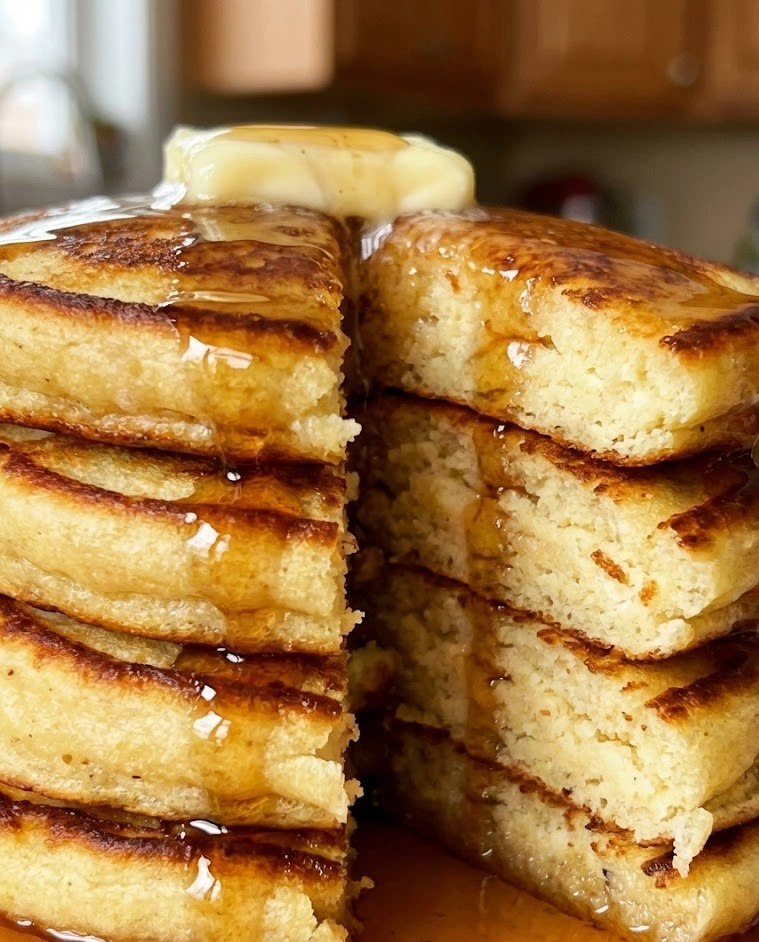
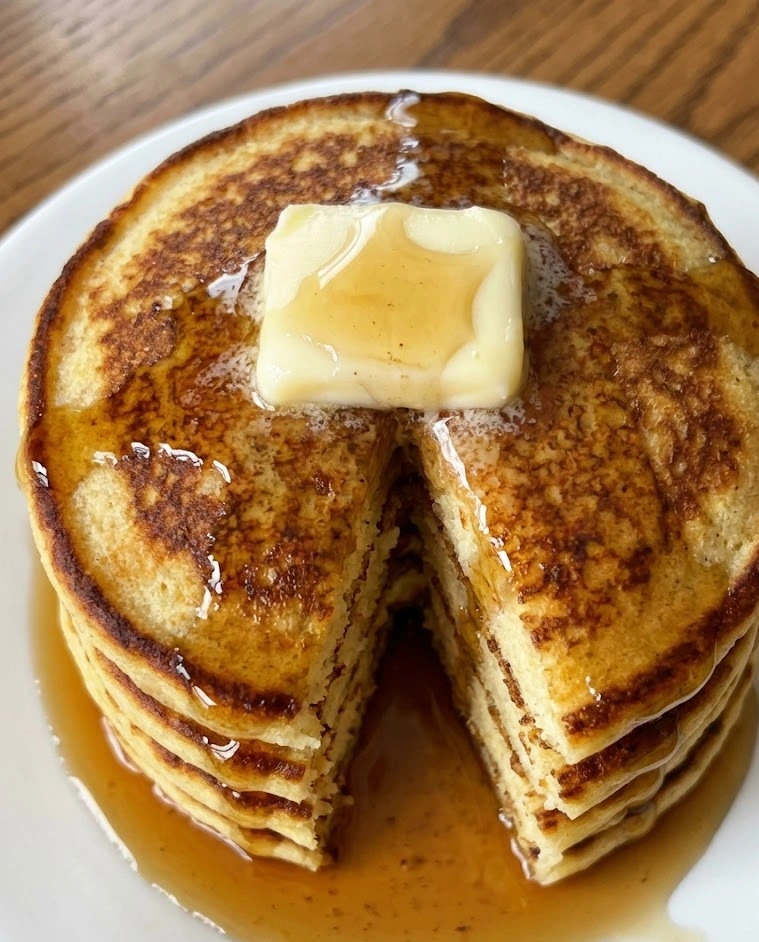
These are not the dense, rubbery protein pancakes you’ve suffered through before in the name of healthy eating. These are genuinely delicious pancakes—golden on the outside, pillowy soft on the inside, with a subtle richness that makes them feel indulgent even though they’re quietly working incredibly hard for your macros.
One batch gives you roughly 20 grams of protein before you’ve even added a single topping. That’s the magic of cottage cheese, and once you understand why it works in pancake batter, you’ll never go back to the standard box mix again.
Why You’ll Love These Cottage Cheese Pancakes
The most obvious win here is protein. Traditional pancakes are essentially a vehicle for syrup—delicious, but nutritionally hollow. Cottage cheese pancakes flip that script entirely, giving you a breakfast that fuels a full morning without the 10 a.m. energy crash.
But protein isn’t even the best part. The cottage cheese does something genuinely fascinating to the texture of these pancakes. As it heats on the griddle, the moisture inside the curds creates tiny pockets of steam, which is exactly what makes each pancake impossibly light and fluffy from the inside out.
They’re also incredibly family-friendly. Kids who claim to hate cottage cheese eat these without a single complaint, every single time. The flavor is mild, slightly sweet, and completely unthreatening—just a beautiful, golden pancake that happens to be doing a lot of nutritional heavy lifting behind the scenes.
Common Mistakes (And How to Avoid Them)
Using the wrong heat. Cottage cheese pancakes are more delicate than traditional pancakes. High heat will scorch the outside before the inside has time to set properly. Use medium-low heat and give each pancake its time. Patience here is everything.
Skipping the blending step. If you stir cottage cheese directly into your batter without blending, you’ll end up with visible curds throughout your pancakes. Some people love this texture—but for the classic fluffy result, blend your cottage cheese smooth first. It takes 20 seconds and makes an enormous difference.
Flipping too early. The number one pancake mistake, and it’s even more critical here. Wait until bubbles form across the entire surface of the pancake and the edges look matte rather than wet and shiny. Flip once, confidently, and don’t touch it again. Cottage cheese pancakes are worth the wait.
Making the batter too thick or too thin. Cottage cheese varies in moisture content by brand. If your batter looks too thick to pour, add a splash of milk. If it looks too thin and runny, add a tablespoon of oats or flour. The batter should ribbon off your spoon slowly—that’s your target consistency.
Chef’s Notes
The flavor foundation of these pancakes is built on vanilla and a pinch of cinnamon. Neither ingredient screams loudly—they work as background notes that make every bite feel warm, slightly sweet, and deeply satisfying. This is what separates a good cottage cheese pancake from a great one.
I always recommend adding a teaspoon of lemon zest to the batter. This might sound unusual, but lemon zest contains aromatic oils that brighten the entire flavor profile without making the pancakes taste remotely citrusy. It’s a chef’s trick for making sweet batters taste more alive and less flat.
The griddle matters more than most people realize. A well-seasoned cast iron skillet or a quality non-stick pan with a light coating of butter—not cooking spray—gives you that gorgeous golden-brown crust that you simply cannot achieve any other way. Butter browns, it flavors, and it creates a crust with genuine character.
Key Ingredients
Cottage Cheese is doing double duty here—it’s both the liquid and the protein source in this batter. Full-fat, small-curd cottage cheese produces the richest, most flavorful result. The fat content contributes to browning, tenderness, and that subtle dairy richness that makes these pancakes taste like something you’d order at a upscale brunch spot.
Eggs are the structural backbone. They bind the batter, provide lift, and add additional protein to an already protein-rich recipe. The yolks contribute fat and flavor while the whites help the pancakes hold their shape as they cook and set on the griddle.
Oats or Flour give the batter just enough structure to hold together. Rolled oats blended smooth keep this recipe naturally gluten-free and add a faint nuttiness that works beautifully with the vanilla and cinnamon. All-purpose flour works equally well and produces a slightly more traditional pancake texture.
Vanilla Extract is the aromatic anchor of the batter. Vanilla contains over 200 flavor compounds, and when it hits a hot pan, those compounds bloom and intensify—creating that irresistible, warm, bakery-style aroma that tells everyone in the house that something good is happening in the kitchen.
Baking Powder is the lift agent that creates the fluffy interior. It reacts with the acidity naturally present in cottage cheese to produce carbon dioxide bubbles throughout the batter, which expand on the griddle and give each pancake its signature height.
How to Make Cottage Cheese Pancakes
- Blend your base. Add 1 cup of full-fat cottage cheese, 2 large eggs, 1 teaspoon of vanilla extract, and 1 teaspoon of lemon zest to a blender. Blend for 30–45 seconds until completely smooth and no curds remain.
- Add your dry ingredients. Pour the blended mixture into a mixing bowl. Add ½ cup of rolled oats (or all-purpose flour), 1 teaspoon of baking powder, ½ teaspoon of cinnamon, and a pinch of salt. Stir gently until just combined—do not overmix.
- Rest the batter. Let the batter sit for 5 minutes. This allows the oats to absorb moisture slightly and the baking powder to activate. The batter will thicken a little—this is exactly what you want.
- Heat your pan. Place a non-stick skillet or cast iron pan over medium-low heat. Add ½ teaspoon of butter and let it melt and foam. Swirl to coat the surface evenly.
- Cook the pancakes. Pour approximately ¼ cup of batter per pancake onto the griddle. Do not crowd the pan. Cook for 2–3 minutes until bubbles form across the entire surface and the edges look set and matte.
- Flip once. Using a thin spatula, flip each pancake confidently in one smooth motion. Cook for another 1–2 minutes until the second side is deep golden brown. Remove from heat.
- Serve immediately. Stack and serve with fresh berries, a drizzle of real maple syrup, a dollop of Greek yogurt, or a sprinkle of powdered sugar. A pat of cold butter melting over a hot stack is never a wrong answer.
Variations & Tips
Make it gluten-free. Use certified gluten-free rolled oats or substitute with almond flour for a slightly denser, nuttier pancake that pairs beautifully with blueberry compote.
Make it dairy-free. Swap the cottage cheese for a plain, unsweetened coconut yogurt or a blended silken tofu with a teaspoon of apple cider vinegar for tanginess. The texture will be slightly different but still delicious.
Add mix-ins. Fold fresh blueberries, mini chocolate chips, or sliced banana directly into the batter just before cooking. The fruit caramelizes against the hot pan and creates jammy, sweet pockets in every bite.
Savory version. Skip the vanilla, cinnamon, and lemon zest entirely. Instead, add chopped chives, black pepper, and a tablespoon of grated parmesan to the batter. Top with a fried egg and hot sauce for a savory brunch situation that is genuinely spectacular.
Meal prep tip. These pancakes freeze beautifully. Cook a full batch, let them cool completely on a wire rack, then stack them with parchment paper between each pancake and freeze in a zip-lock bag. Reheat in the toaster straight from frozen for a high-protein breakfast in under two minutes.
Cultural Context
Pancakes in some form exist in virtually every culture on earth—from French crêpes to Ethiopian injera to Japanese soufflé pancakes—which tells you something profound about the universal human desire for a warm, comforting grain-based breakfast cooked on a flat, hot surface.
The American pancake as we know it today has roots in Native American cooking, where ground corn and nuts were mixed with water and cooked on hot stones. European settlers adapted these techniques with wheat flour and dairy, eventually arriving at the fluffy, syrup-ready stack that became a cornerstone of American breakfast culture.
Cottage cheese pancakes specifically have roots in Eastern European cuisine, where farmer’s cheese and curd-based pancakes—known as syrniki in Russian and Ukrainian cooking—have been a beloved breakfast tradition for centuries. These were humble, nourishing, dairy-rich pancakes born from a culture that wasted nothing and valued the sustaining power of a good morning meal.
Today, cottage cheese pancakes sit at the intersection of that rich culinary heritage and modern nutritional awareness—proof that the best food trends aren’t really trends at all. They’re just good ideas that keep finding their moment.
Cottage Cheese Pancakes
Equipment
- blender
- mixing bowl
- non-stick skillet or cast iron pan
- spatula
Ingredients
- 1 cup full-fat cottage cheese
- 2 large eggs
- 1 tsp vanilla extract
- 1 tsp lemon zest
- 1/2 cup rolled oats (or all-purpose flour)
- 1 tsp baking powder
- 1/2 tsp ground cinnamon
- 1/8 tsp salt
- 1/2 tsp butter (for cooking)
Instructions
- Add cottage cheese, eggs, vanilla extract, and lemon zest to a blender. Blend for 30–45 seconds until completely smooth.
- Pour blended mixture into a bowl. Add rolled oats (or flour), baking powder, cinnamon, and salt. Stir gently until just combined.
- Let the batter rest for 5 minutes to thicken and activate the baking powder.
- Heat a non-stick skillet or cast iron pan over medium-low heat. Melt butter and swirl to coat.
- Pour about 1/4 cup of batter per pancake onto the skillet. Cook 2–3 minutes until bubbles form across the surface and edges look set.
- Flip once and cook an additional 1–2 minutes until golden brown and cooked through.
- Serve immediately with maple syrup, fresh berries, yogurt, or desired toppings.